Can Türkiye's SİPER Stop Ballistic Missiles?
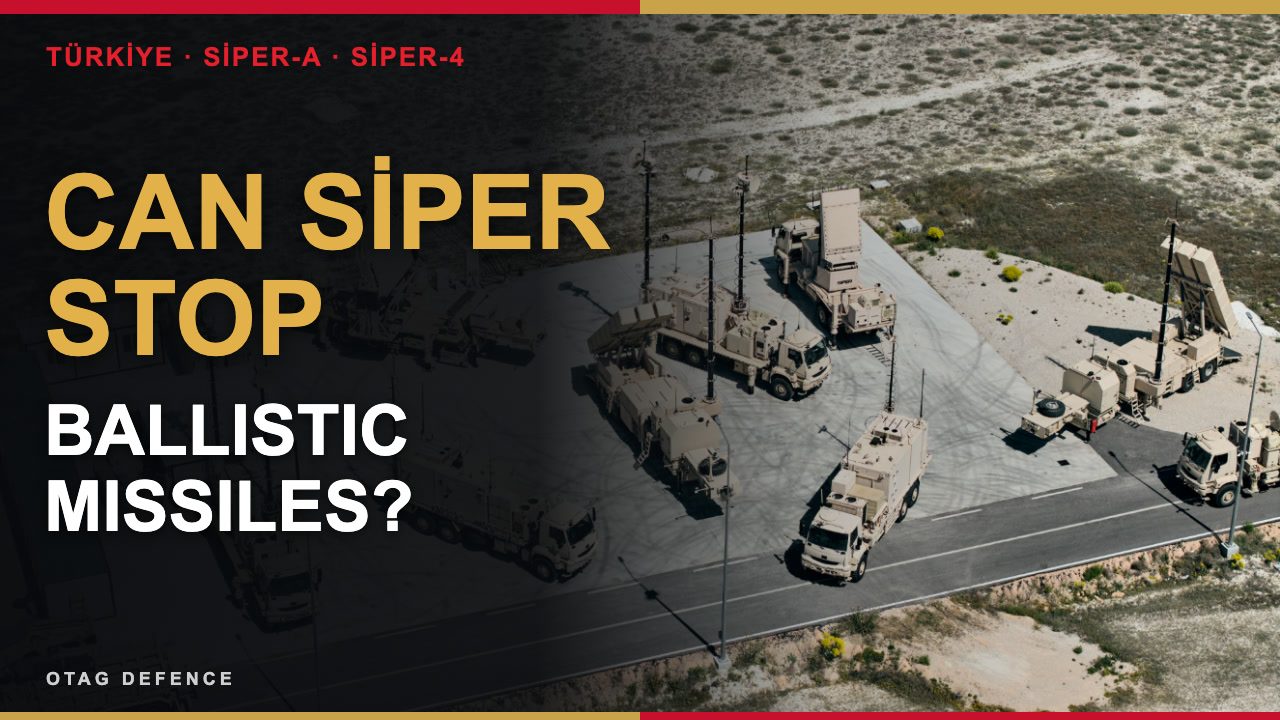
On October 21, 2026, a SİPER battery from the Turkish Air Force inventory carried out a new firing in Sinop. SİPER can already stop fighter jets and cruise missiles. But can it shoot down a ballistic missile?
Can SİPER hit a ballistic missile? Does Türkiye now have its own Patriot? And what will SİPER A and SİPER 4 change?
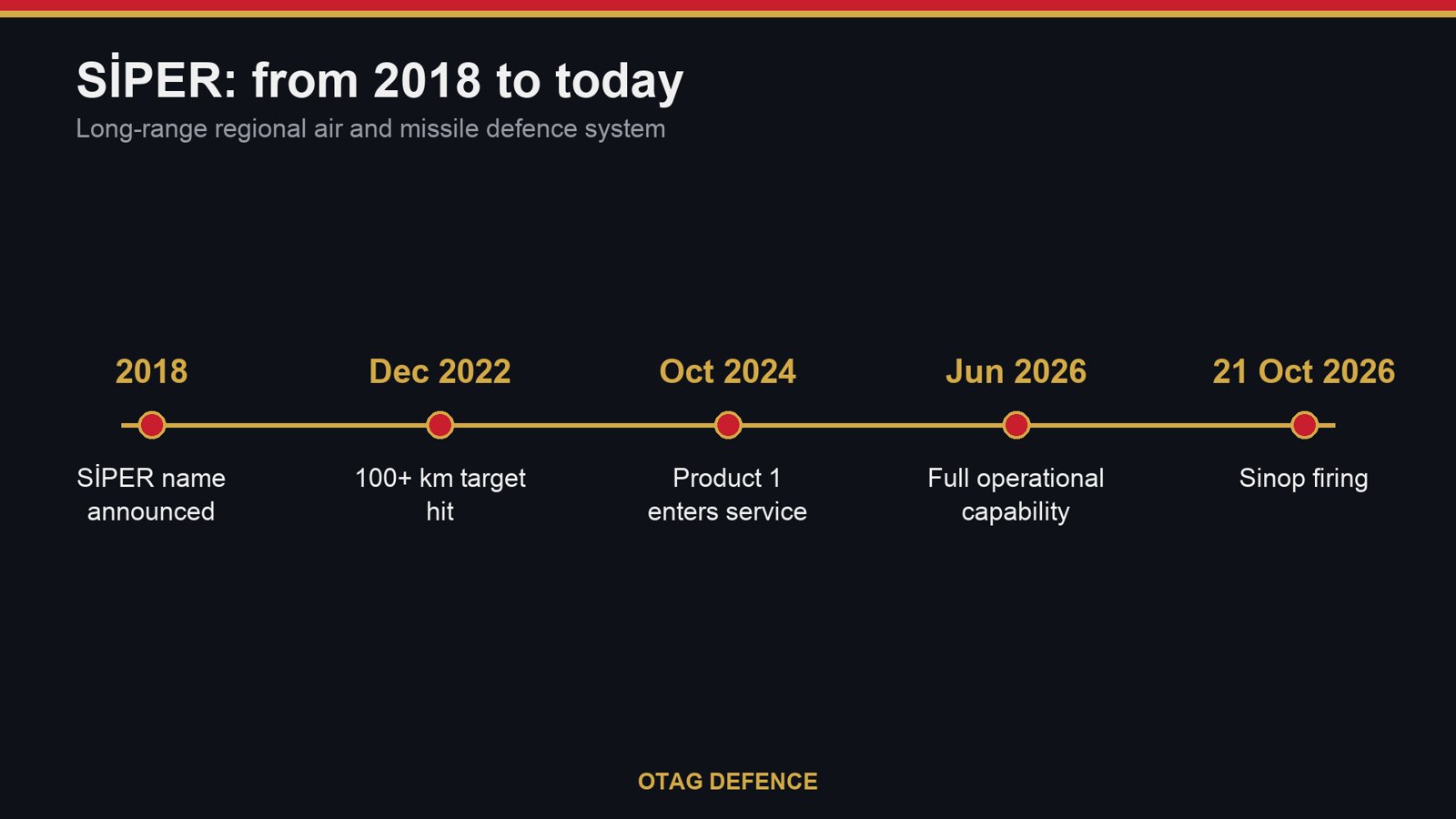
21 October 2026, Sinop, on Türkiye's Black Sea coast. A SİPER missile rises from the firing range. Shortly afterwards, the target is hit. The firing is watched by Türkiye's Chief of the General Staff, General Selçuk Bayraktaroğlu, and the Commander of the Air Force, General Rafet Dalkıran. The SİPER used in this firing is the system already in the Turkish Air Force's inventory. In other words, SİPER is no longer just a missile in development testing; it is a national air defence system used by the armed forces. But can SİPER also stop a ballistic missile? That is what we examine in this video.
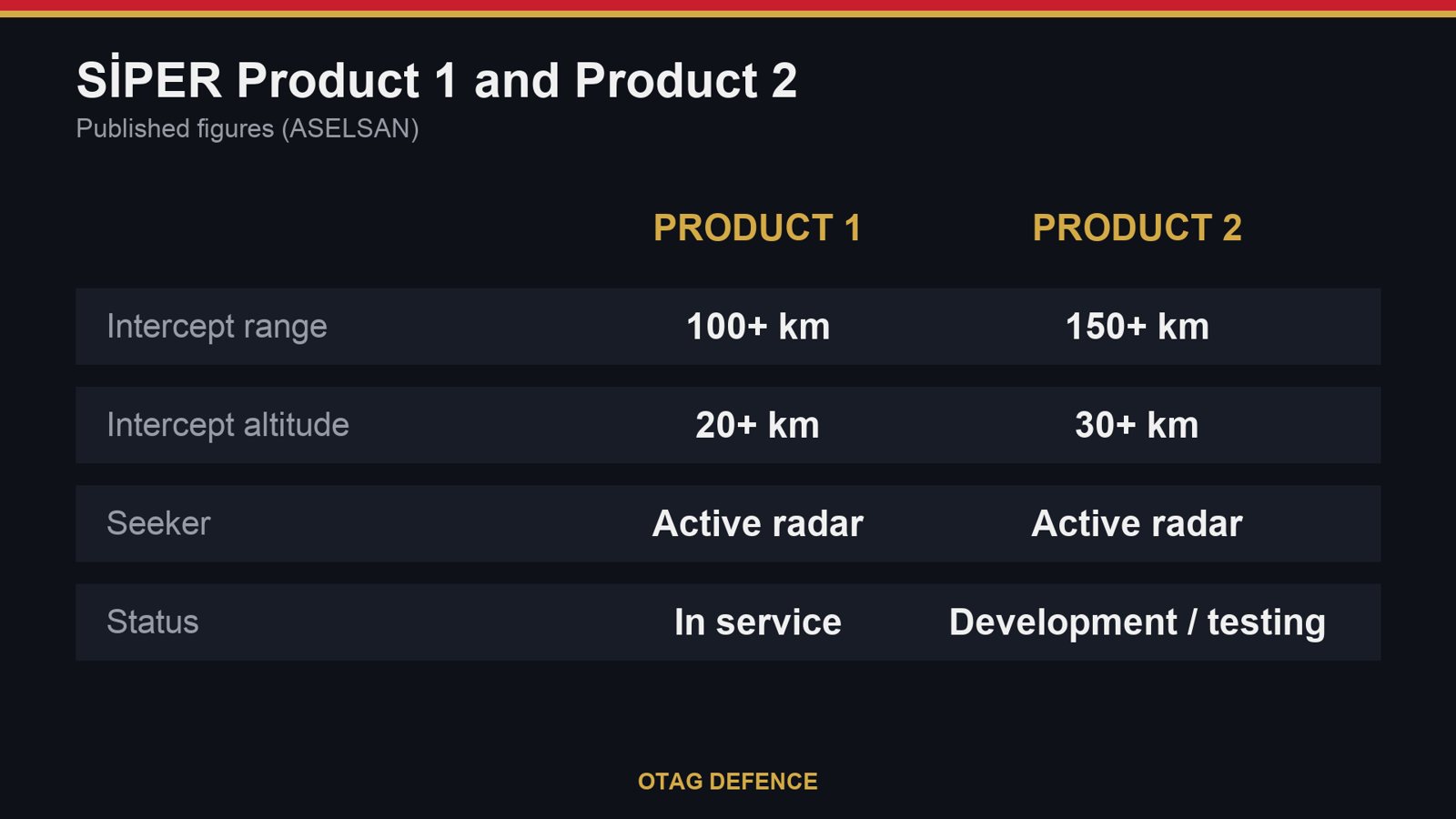
First, let us look at where SİPER stands today. Türkiye's long-range regional air and missile defence project was announced in 2018 under the name SİPER, which means "shield" or "trench" in Turkish. The project is run under the coordination of the Presidency of Defence Industries (SSB), Türkiye's defence procurement agency, by three Turkish organisations: ASELSAN, the country's largest defence electronics company; ROKETSAN, its main missile maker; and TÜBİTAK SAGE, the state defence research institute. In the last days of 2022, SİPER hit a target more than 100 kilometres away. In October 2024, SİPER Block 1 entered the inventory of the Turkish Armed Forces. On 16 June 2026, Türkiye's Ministry of National Defence announced an important threshold. The SİPER in the Air Force's inventory destroyed a high-speed, manoeuvring SÜPER ŞİMŞEK target drone and reached full operational capability. On the same day, SİPER Block 2, which is still in development, also hit a manoeuvring target. According to figures released by ASELSAN, Block 1 has an interception range of more than 100 kilometres and an interception altitude of more than 20 kilometres. For Block 2, these values rise to more than 150 and 30 kilometres. The missiles home in on the target in the final phase with an active radar seeker and carry a fragmentation warhead.
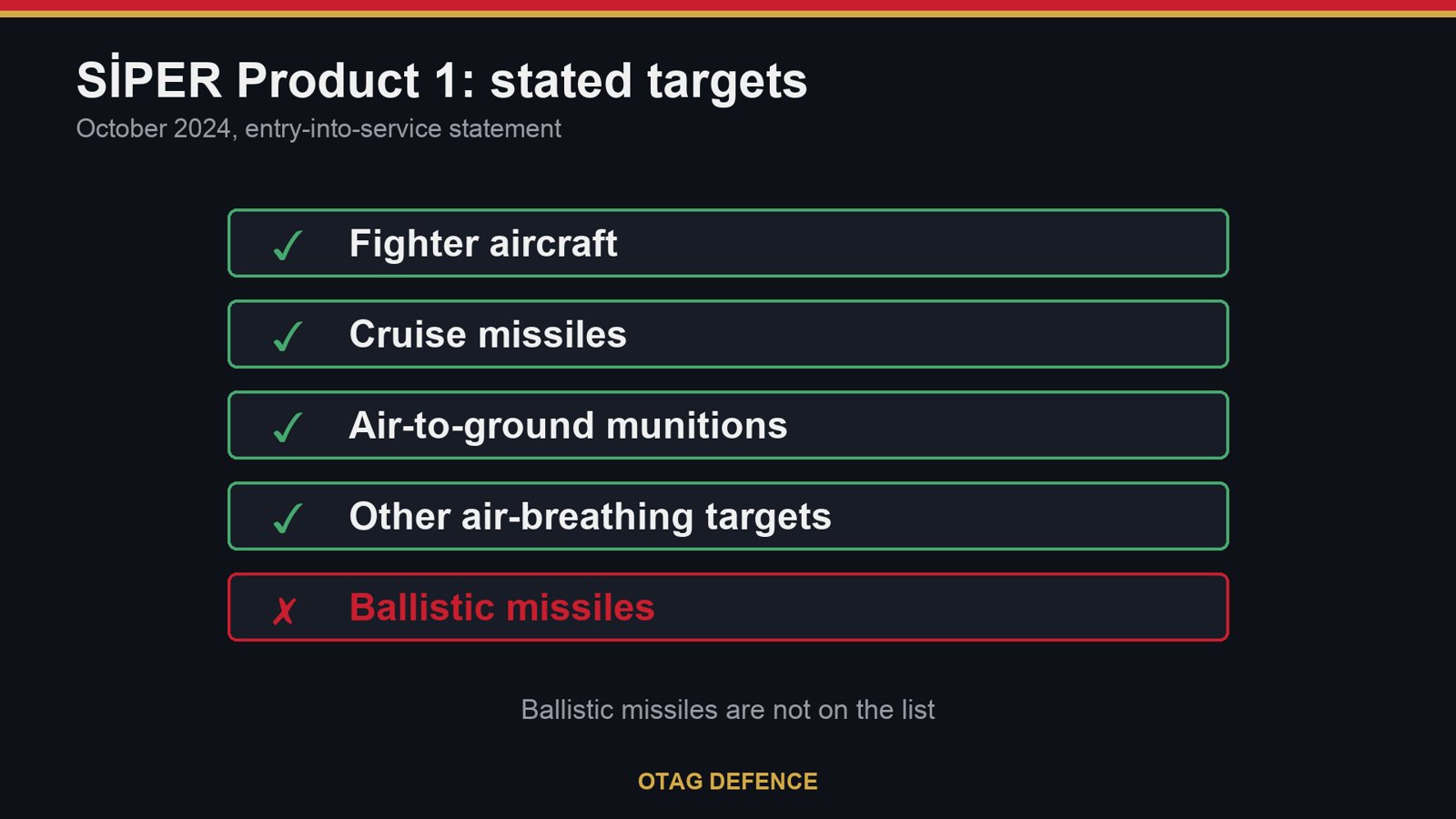
So which targets was SİPER Block 1 developed against? The statement made on the day it entered service listed them: fighter aircraft, cruise missiles, air-to-ground munitions and other air-breathing targets. What these threats have in common is that they fly aerodynamically inside the atmosphere. One notable item is missing from the list: ballistic missiles. This does not mean SİPER could never hit a ballistic target under any conditions. But the tests announced so far do not show a ballistic missile interception capability for Block 1 or Block 2. Because ballistic missile defence is a different job.
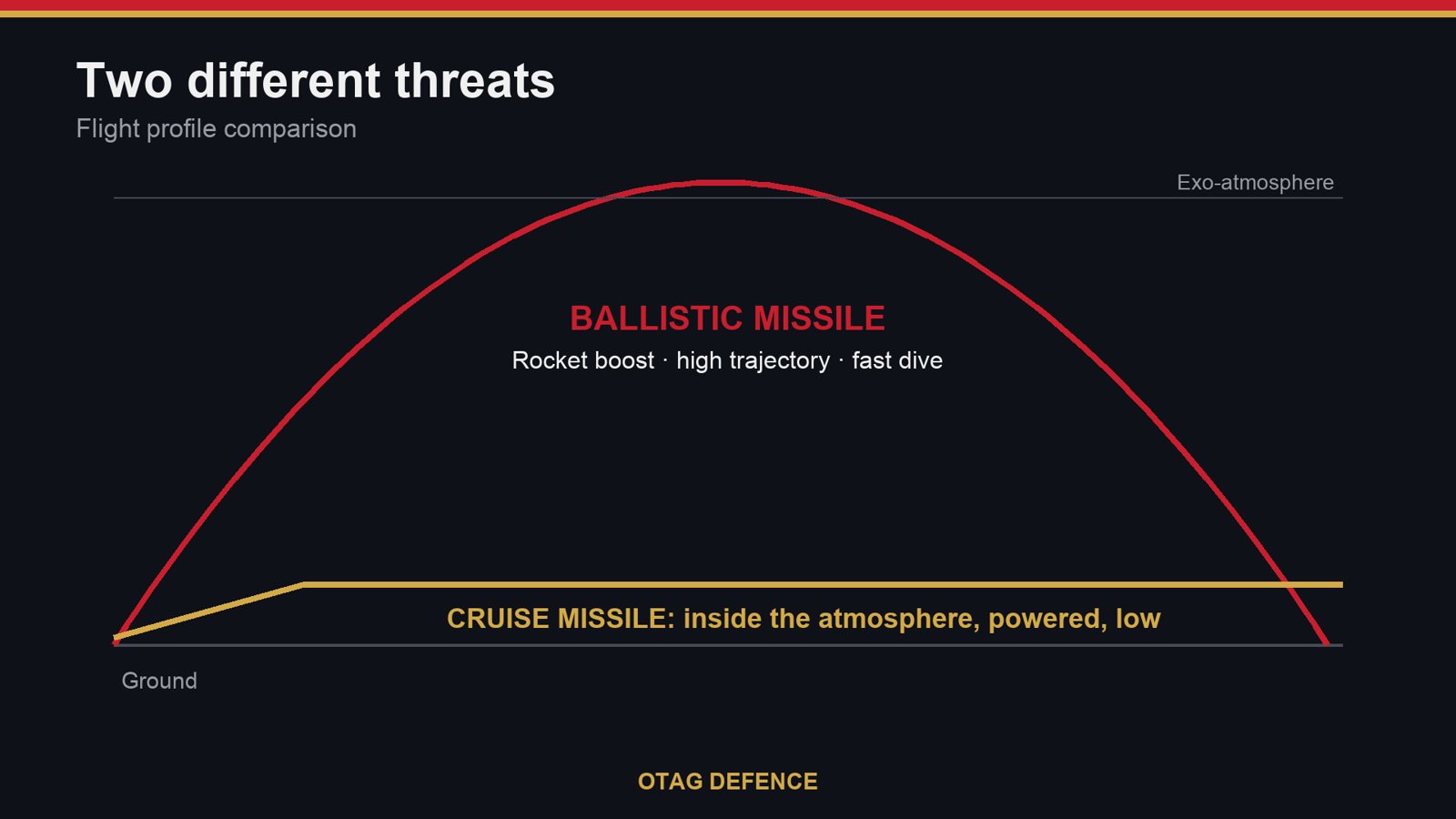
Why is hitting a ballistic missile so hard? We can think of a cruise missile as a small unmanned aircraft. It flies inside the atmosphere, under engine power and usually at low altitude. A ballistic missile first accelerates with a rocket motor, then largely follows a ballistic trajectory and dives towards its target. Depending on its range, it can leave the atmosphere and reach very high speeds, and some types can also manoeuvre in the final phase. The defender faces four big challenges. The first is speed. The high speed in the final phase cuts decision time to seconds. The radar must detect the target, the command centre must decide and the interceptor must reach the right point within that short time. The second is altitude. Long-range ballistic missiles can spend most of their flight outside the atmosphere. There, aerodynamic control surfaces do not work; the interceptor needs different guidance technologies. SİPER Block 2's interception altitude of more than 30 kilometres may overlap with the final phase of some short-range ballistic missiles. But the right altitude is not enough on its own.
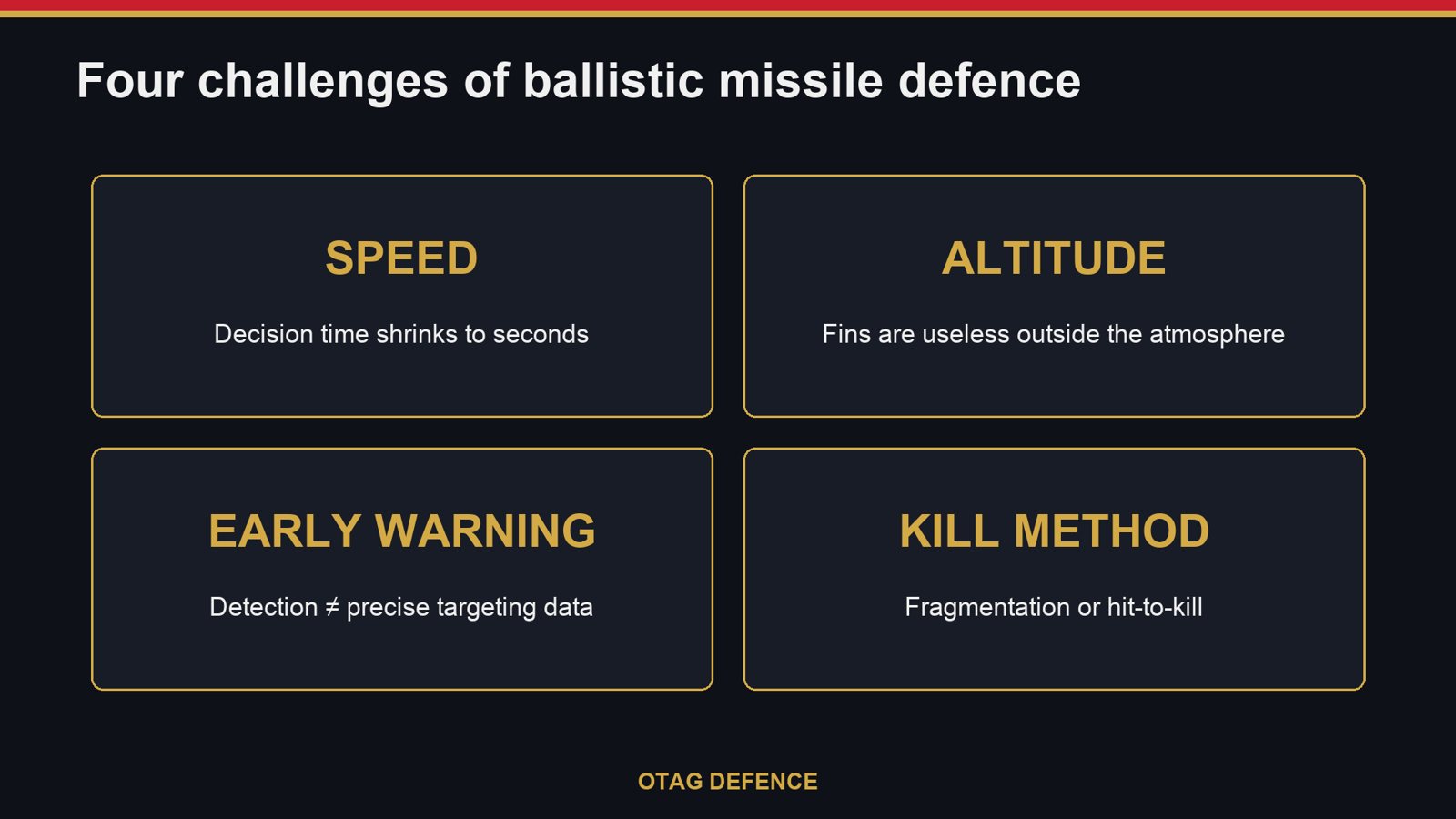
The third is early warning. The earlier you see the threat, the more time you gain. That is why long-range radars, command and control networks and, in advanced countries, space-based early warning satellites are critical. In Türkiye, ASELSAN's ALP 300-G early warning radar entered service in May 2024. But detecting a missile is not the same as giving the interceptor target data that is precise enough. The radar must track the target, calculate its trajectory and update the interceptor throughout its flight. The fourth is the method of destruction. Conventional air defence missiles explode near the target and destroy it with fragments. Ballistic warheads, because of their speed and structure, are a harder target. That is why some interceptors, such as the PAC-3 in the American Patriot system, hit the target directly. This method is called hit-to-kill. But it is not the only method. Properly designed fragmentation interceptors can also be used against certain ballistic targets. What matters is that the interceptor is designed for this job and proven in tests.
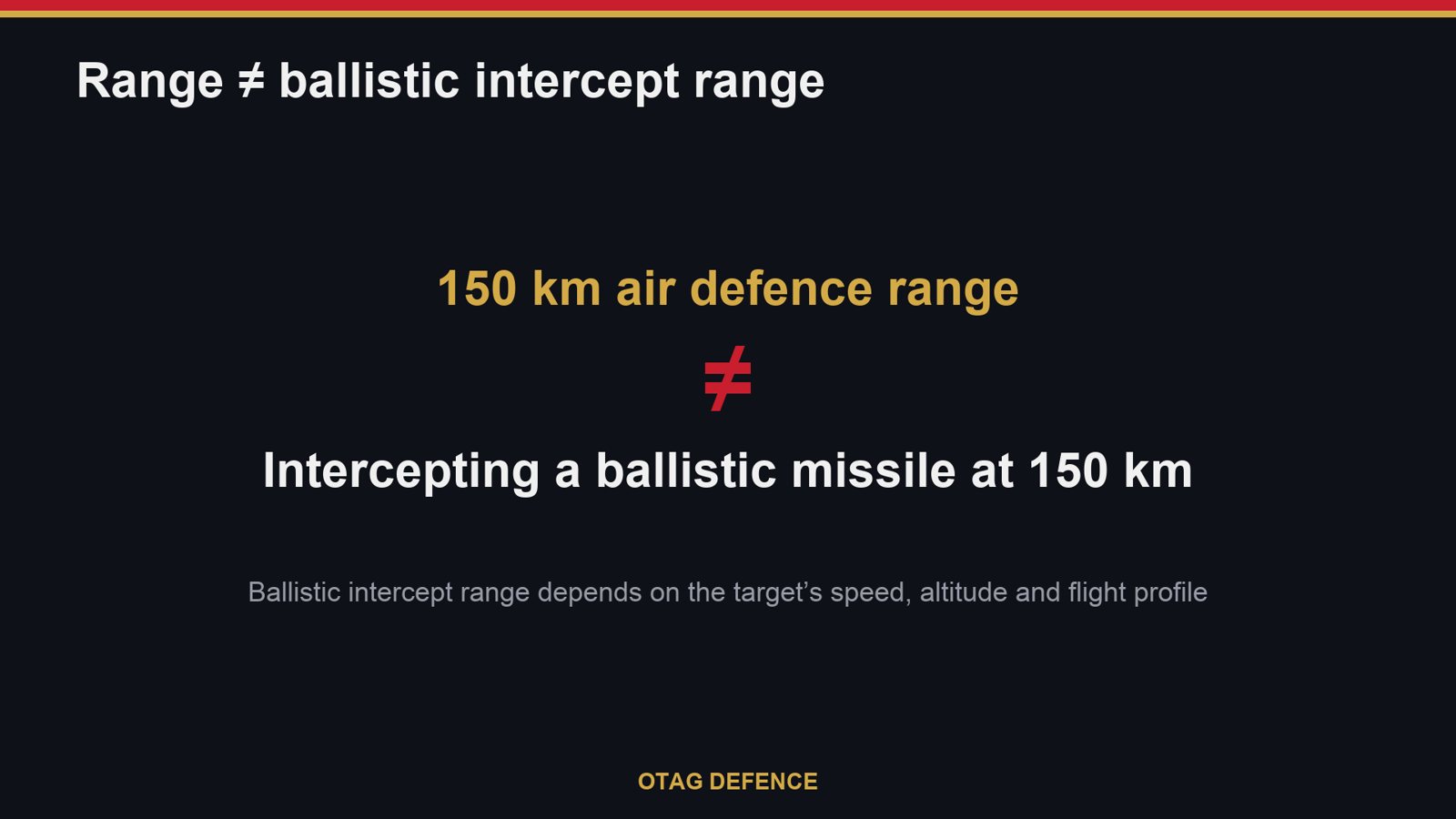
Which systems stop ballistic missiles around the world? The American Patriot PAC-3 is the best-known example. PAC-3 interceptors, which use hit-to-kill technology, have been used against tactical ballistic missiles both in tests and in real conflicts. In Europe, the SAMP/T NG system and the new Aster interceptor were developed against short- and medium-range tactical ballistic missiles. The manufacturer Eurosam announced that a firing in July 2025 confirmed the missile's long-range performance. Israel's BARAK ER system has also been tested against tactical ballistic missiles as well as aircraft and cruise missiles. There is an important distinction here. SİPER Block 2's range of more than 150 kilometres places Türkiye among the countries developing long-range air defence systems. But a range of 150 kilometres does not mean it can intercept a ballistic missile at the same distance. The ballistic interception range can be much shorter, depending on the target's speed, altitude and flight profile.
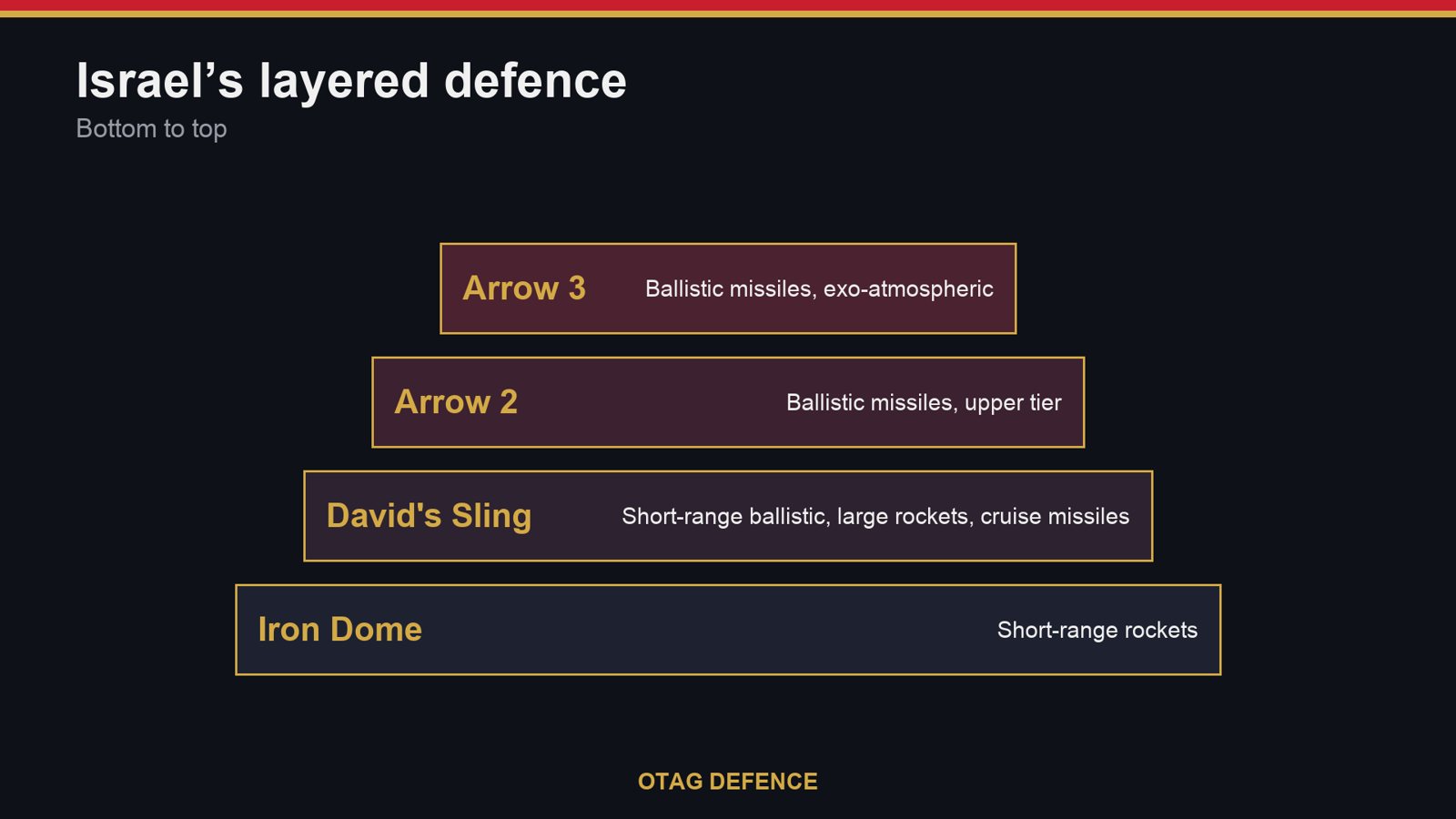
The best-known example of layered defence is Israel. Iron Dome works against short-range rockets. David's Sling operates in the middle layer against short-range ballistic missiles, large rockets and cruise missiles. Arrow 2 and Arrow 3 form the upper layer. Arrow 3 was developed to intercept ballistic targets outside the atmosphere. In the Israel–Iran conflict of June 2025, these systems faced a real test. Israel announced high interception rates. However, these rates are not success percentages verified separately for each system. This experience shows one fact: in ballistic missile defence, what decides the outcome is not range alone, but proven performance against real threats and systems working together.
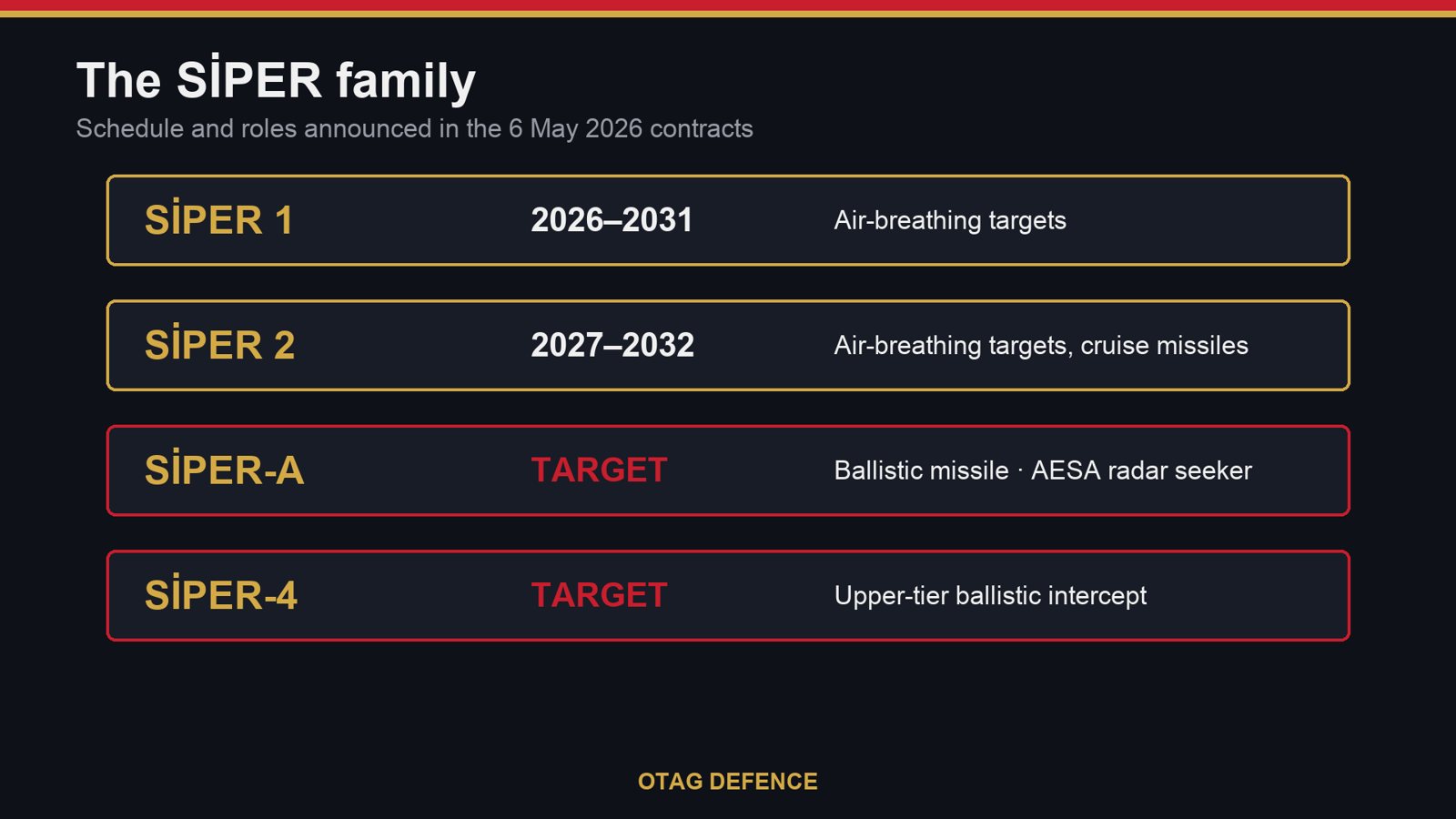
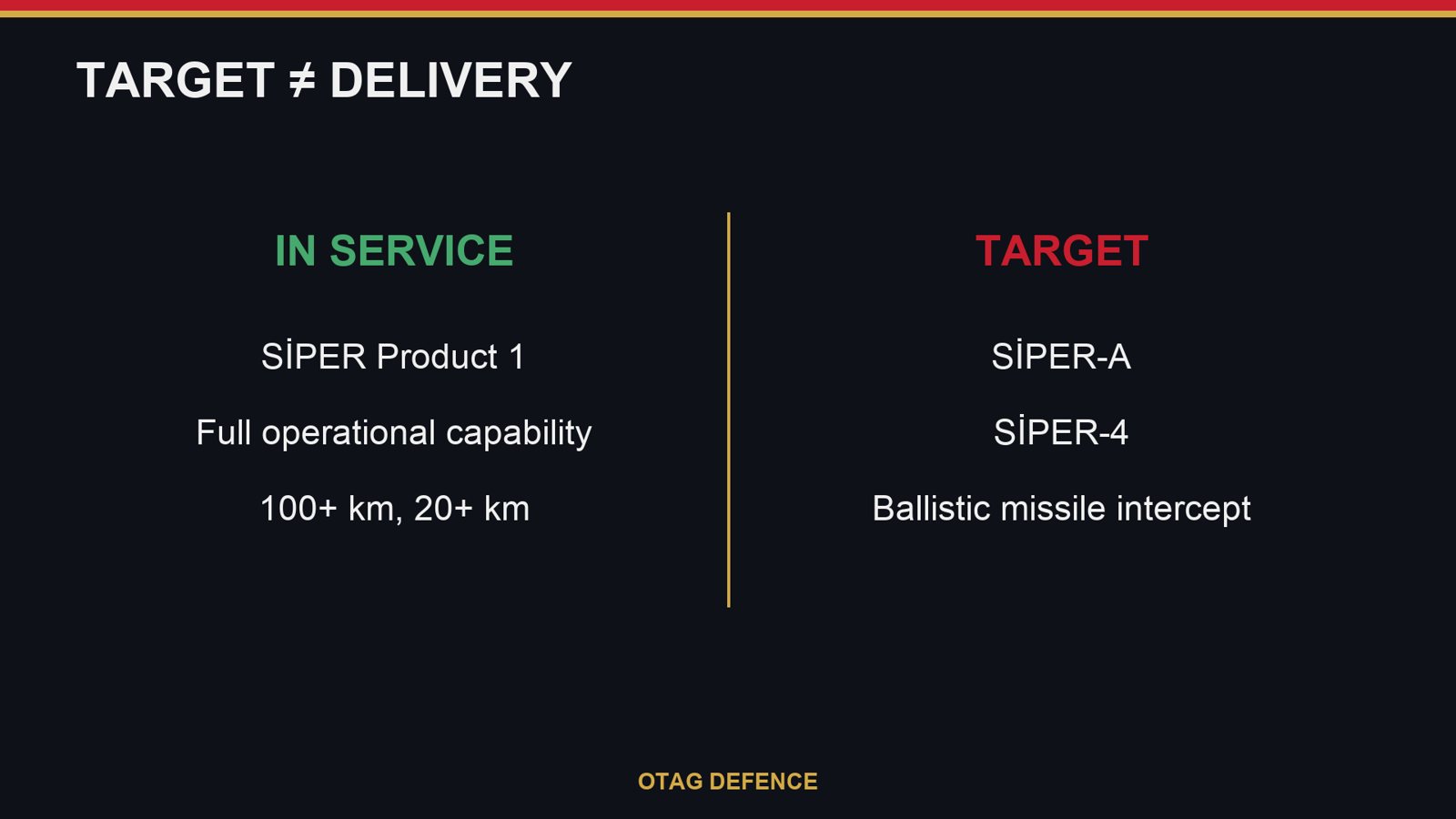
Türkiye's goal in this field is not new. In 2022, İsmail Demir, then head of the Presidency of Defence Industries, said SİPER would be given a ballistic missile interception capability. At the time, various dates between 2026 and 2028 were given. Today we are in the last quarter of 2026. No ballistic interception test has been publicly announced for SİPER Block 1 or Block 2. On the other hand, the roadmap has changed. On 6 May 2026, in additional air defence contracts signed at the SAHA defence exhibition in Istanbul, two new members of the SİPER family were announced: SİPER A and SİPER 4. According to the information released, SİPER A focuses directly on ballistic missile defence and will use an AESA-based radar seeker. According to press reports, it will form the lower layer that meets ballistic threats inside the atmosphere. SİPER 4 will meet the Air Force's need for upper-layer ballistic missile interception.
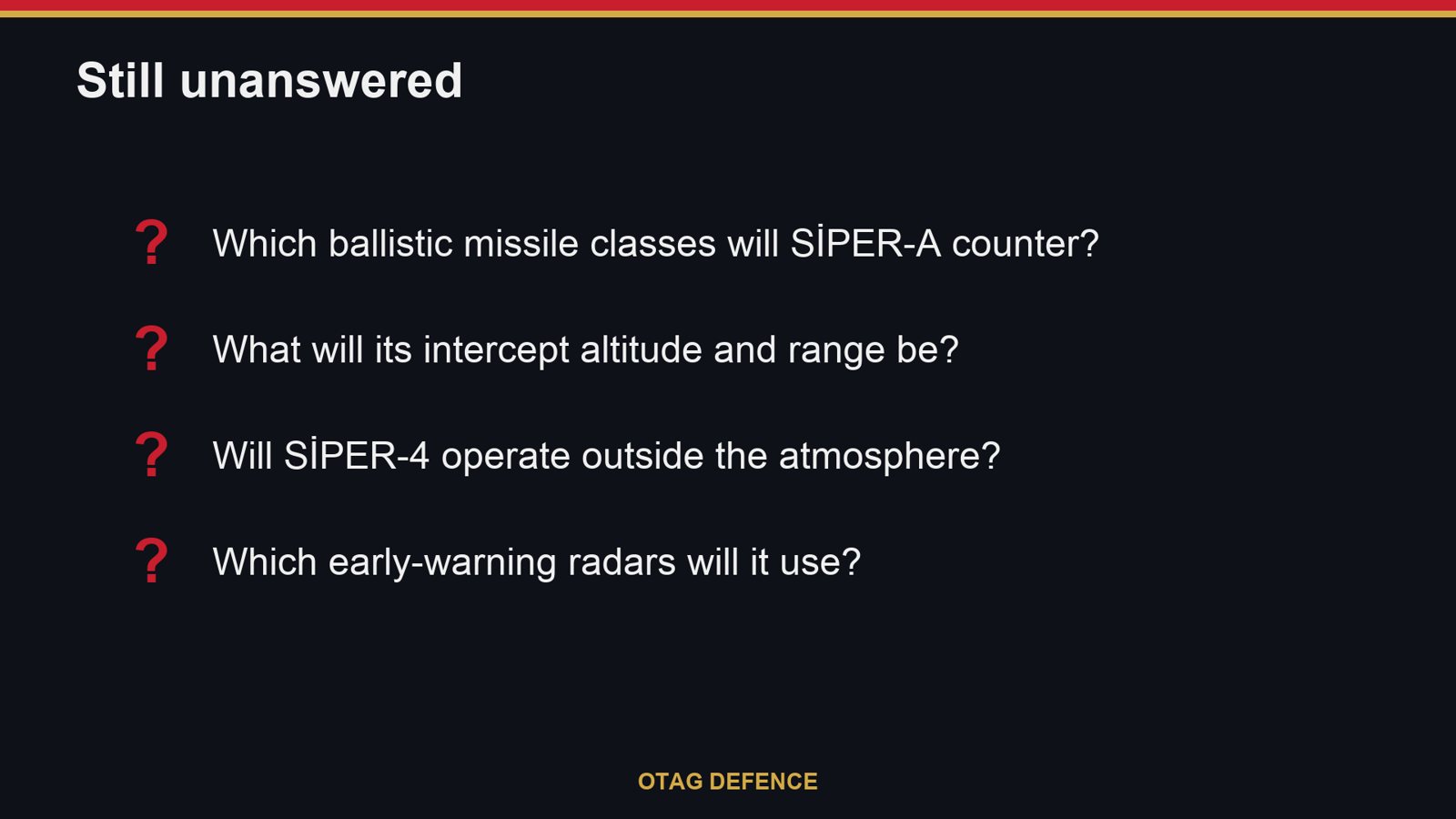
The same contracts also gave the schedule for the existing systems: 2026 to 2031 for SİPER 1, and 2027 to 2032 for SİPER 2. The importance of these two new systems is this: Türkiye aims to counter the ballistic threat not by extending the range of its existing missiles, but with new interceptors designed for the job. But there are also unanswered questions. Against which classes of ballistic missile will SİPER A be used? What will its interception altitude and range be? Will SİPER 4 operate outside the atmosphere? Which radars will it work with? The answers to these questions have not yet been announced. That is why it would not be right to treat the future capabilities of SİPER A and SİPER 4 as if they were features already tested and in service.
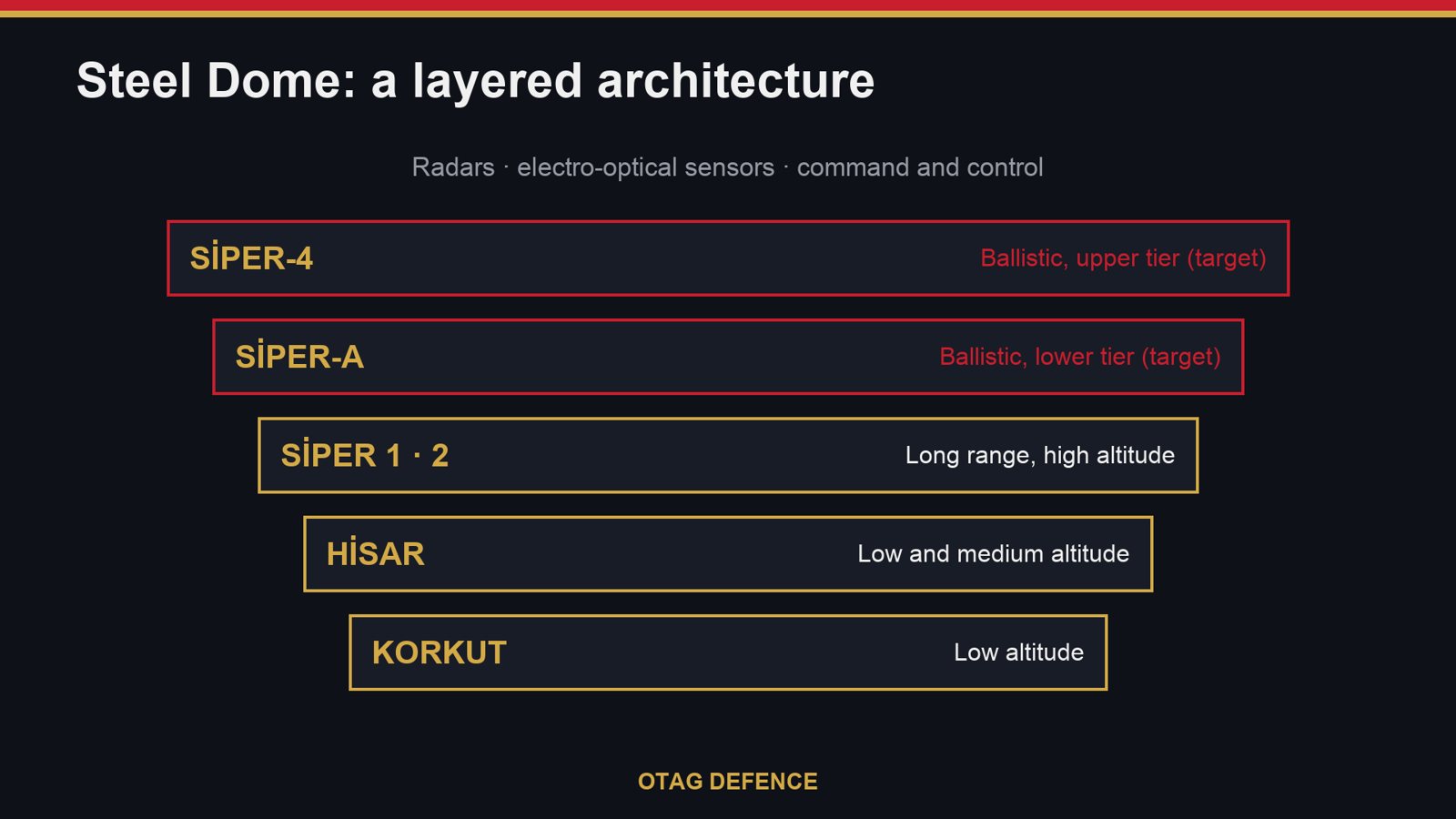
So how will Steel Dome work against ballistic missiles? Steel Dome, Türkiye's national integrated air defence network, is not made up of SİPER alone. KORKUT, HİSAR, SİPER and other systems, together with radars, electro-optical sensors and a command and control infrastructure, aim to provide layered protection at different altitudes and ranges. KORKUT is a short-range gun system, HİSAR covers short and medium range, and SİPER covers long range. With SİPER A and SİPER 4, ballistic missile defence will also be added to this structure. New interceptors alone are not enough for this. The missile must be detected as early as possible, information from different sensors must be combined and passed to the interception system in time. This is where the ALP 300-G and future radars become important. In a broader early warning architecture, space-based sensors could also play a role. Another issue is the number of batteries. A single successful interception test does not mean that a nationwide ballistic missile defence has been set up. The areas to be defended, radar coverage, interceptor stocks and the number of batteries matter at least as much as the missile's performance. And no air and missile defence system offers 100 percent protection against every threat.
Now let us return to the question we started with. Can SİPER hit ballistic missiles? Today there is no publicly announced test showing a ballistic missile interception capability for SİPER Block 1, which is in service, or for Block 2, which is still in development. SİPER has given Türkiye a national capability in long-range air defence. Ballistic missile defence is a separate technological stage. Türkiye aims to reach that stage with SİPER A and SİPER 4. So does Türkiye have its own Patriot? Like Patriot, SİPER offers a long-range architecture made up of radar, command and control and interceptor missiles. But there is not yet enough evidence to say that it is equivalent to the ballistic missile defence capability Patriot gained with the PAC-3.
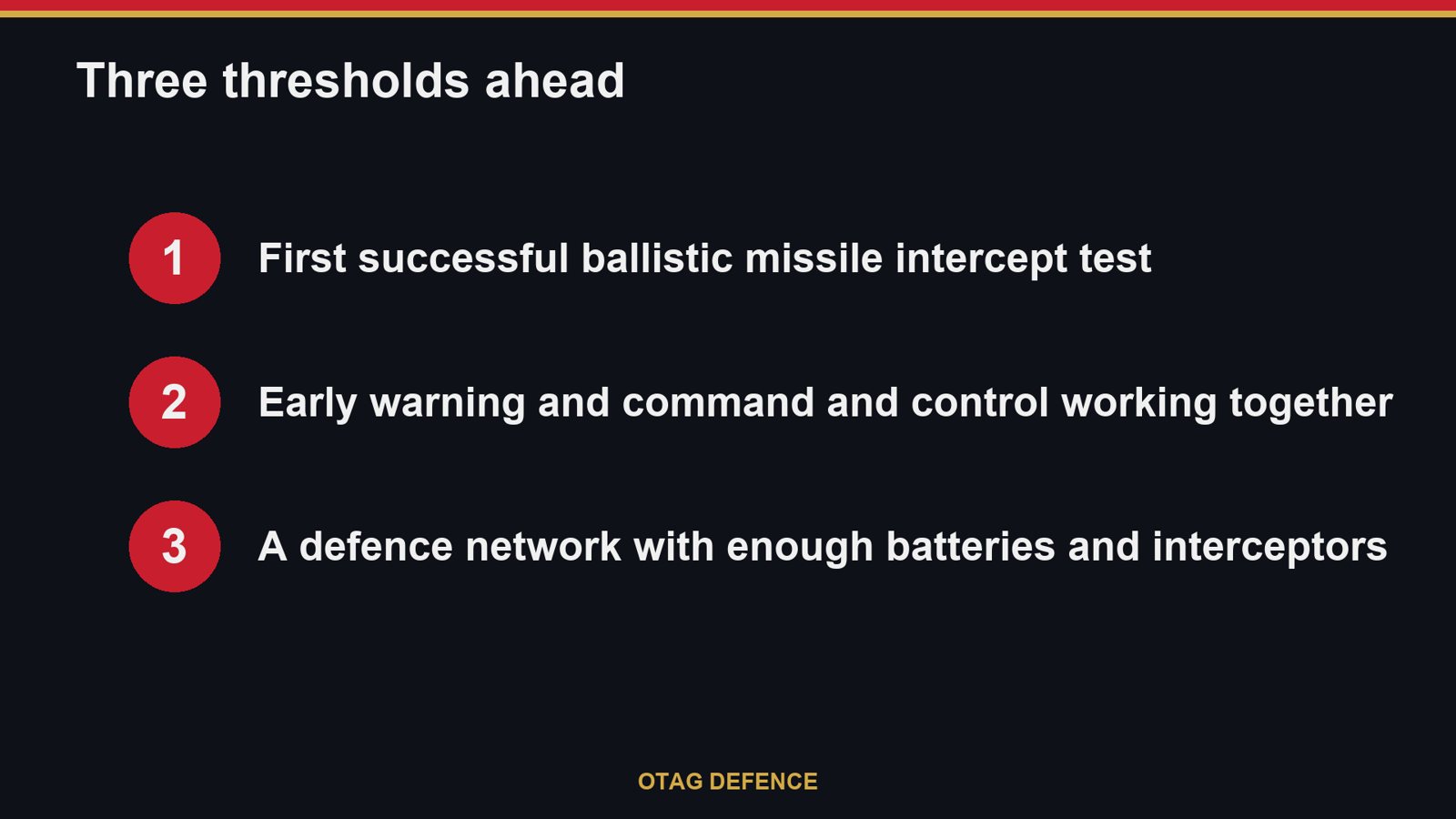
In the period ahead, three developments will be decisive. The first is the first successful ballistic missile interception test with SİPER A or SİPER 4. The second is showing that early warning radars and the command and control infrastructure work together against ballistic threats. The third is turning this capability into a real defence network with enough batteries and interceptors. The Sinop firing on 21 October showed the level Türkiye has reached in long-range air defence. The next threshold is being able to stop ballistic threats that come much faster and from much higher. Türkiye has developed its long-range air defence missile. Now it is time for the ballistic missile shield.
Shorts on this topic

What will SİPER A and SİPER 4 change?

Don't let 150 km fool you!

What's missing from SİPER's list?
Share your view in the comments under the video.
Comment on YouTubeSources
- Anadolu Agency – Chief of General Staff Gen. Bayraktaroğlu inspects the SİPER air defense system (in Turkish)
- Habertürk – Bayraktaroğlu watches SİPER test firing in Sinop (in Turkish)
- Hürriyet – President Erdoğan announces the name of the project (2018) (in Turkish)
- Anadolu Agency – SİPER missile exceeds 100 km range (2022) (in Turkish)
- Anadolu Agency – SİPER Product-1 enters the inventory (2024) (in Turkish)
- Hürriyet – Turkish MoND: SİPER destroys Süper Şimşek aerial target (June 2026) (in Turkish)
- TRT Haber – SİPER Product-2 hits a maneuvering target (June 2026) (in Turkish)
- Anadolu Agency – Presidency of Defense Industries signs multiple contracts at SAHA 2026 (in Turkish)
- NTV – Where does Türkiye stand in air defense? Türkiye's air defense systems (in Turkish)
- NTV – Türkiye's longest-range radar ALP 300-G enters service (in Turkish)
- Times of Israel – IDF says it is not running critically low on missile interceptors (June 2025)
More analysis
 8:32
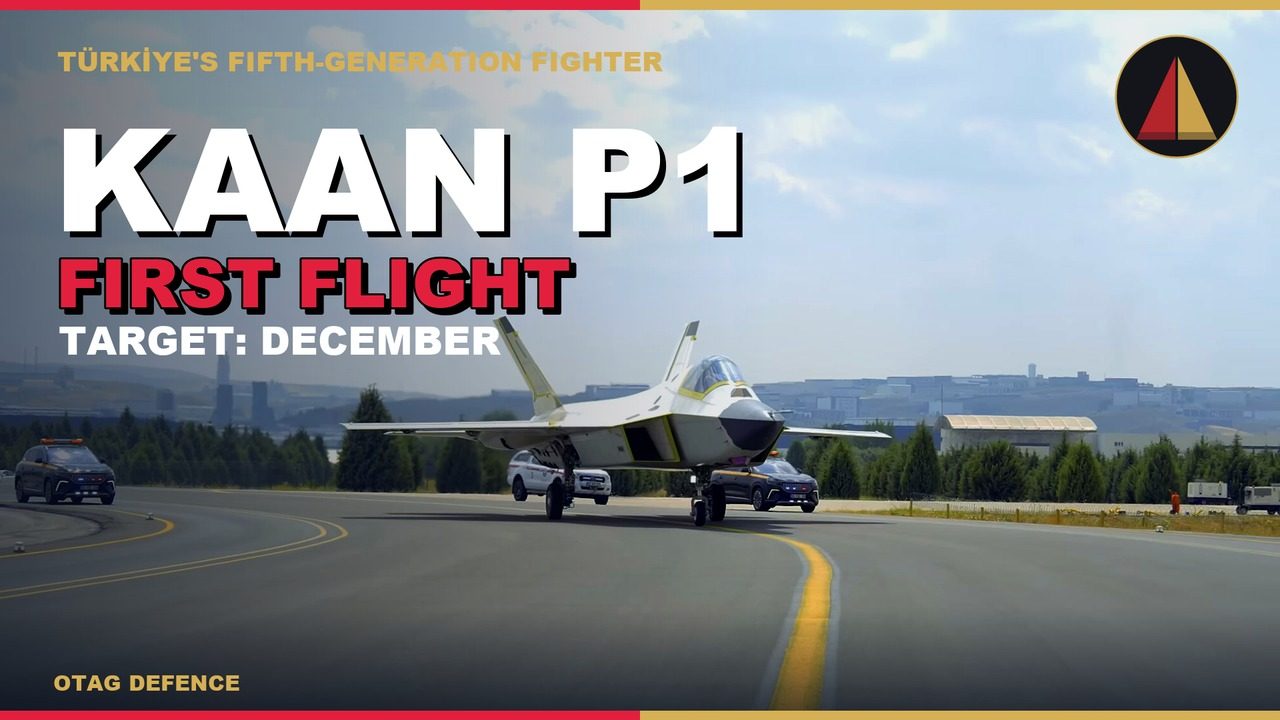
Türkiye's KAAN Stealth Fighter: Second Prototype Targets December First Flight
Otag Defence assessment“For KAAN, the question for 2026 is no longer "will it fly?" It is "how fast will the prototypes multiply?"”
 7:29
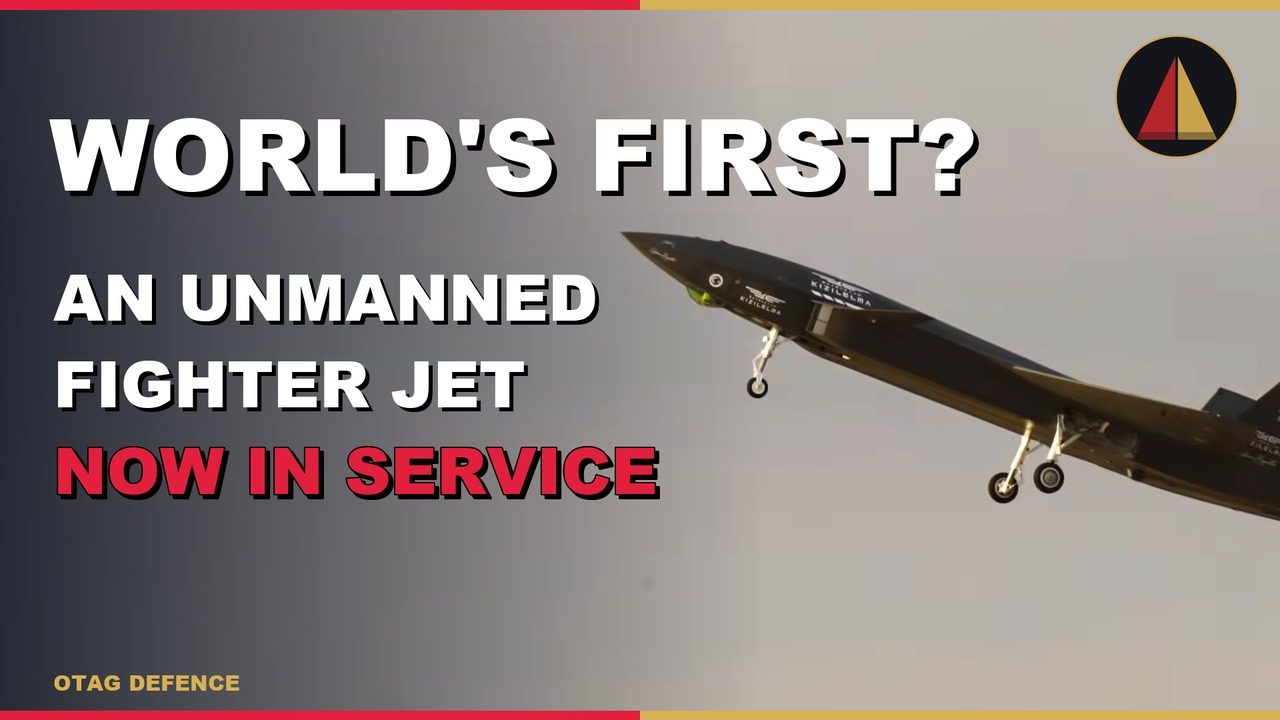
Türkiye's Kizilelma: The World's First Unmanned Fighter Jet in Service?
Is KIZILELMA really the world's first unmanned fighter in service? What does entering service actually mean? And what will Türkiye do with three aircraft?
 7:54
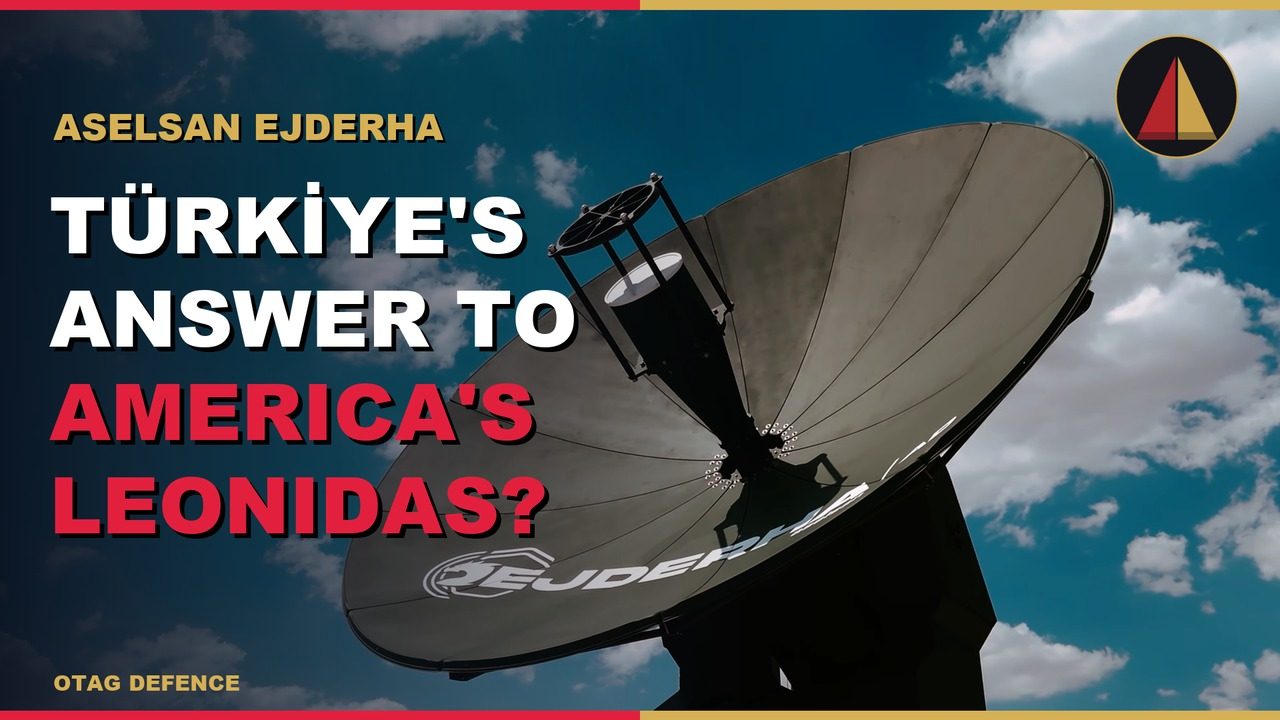
Türkiye's Answer to America's Leonidas? ASELSAN EJDERHA Explained
ASELSAN, Türkiye's largest defence electronics company, marked its 51st anniversary with a two-stage demonstration at its Gölbek Firing and Test Center near Ankara. According to the company's statement on 15 November, in the first stage EJDERHA disabled two different fibre-optic drones from about 1,000 metres. In the second stage, 51 drones launched at the same time were stopped within seconds with a single command. No missiles or bullets were used.