Hurkus, Hurjet and Kaan: A New Era for Turkish Aviation
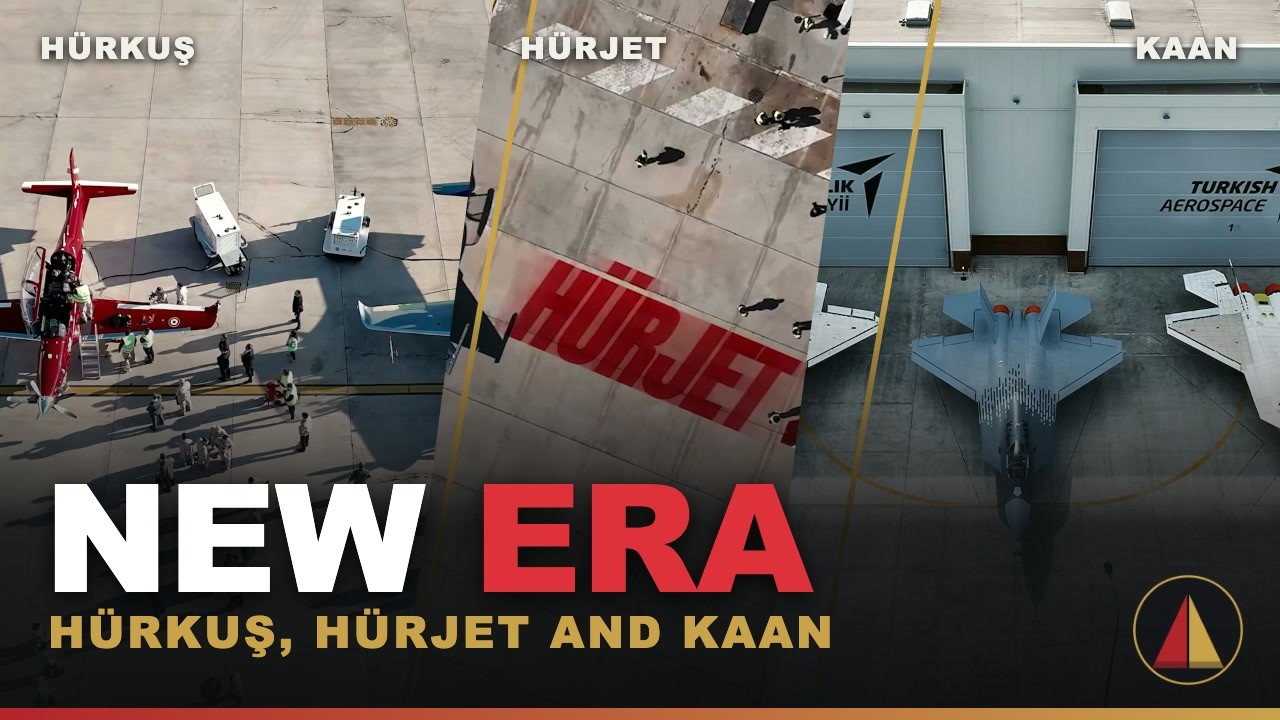
Hurkus II, Hurjet, Gokbey and Kaan explained: serial production, deliveries, domestic engines and exports of Turkish aviation.
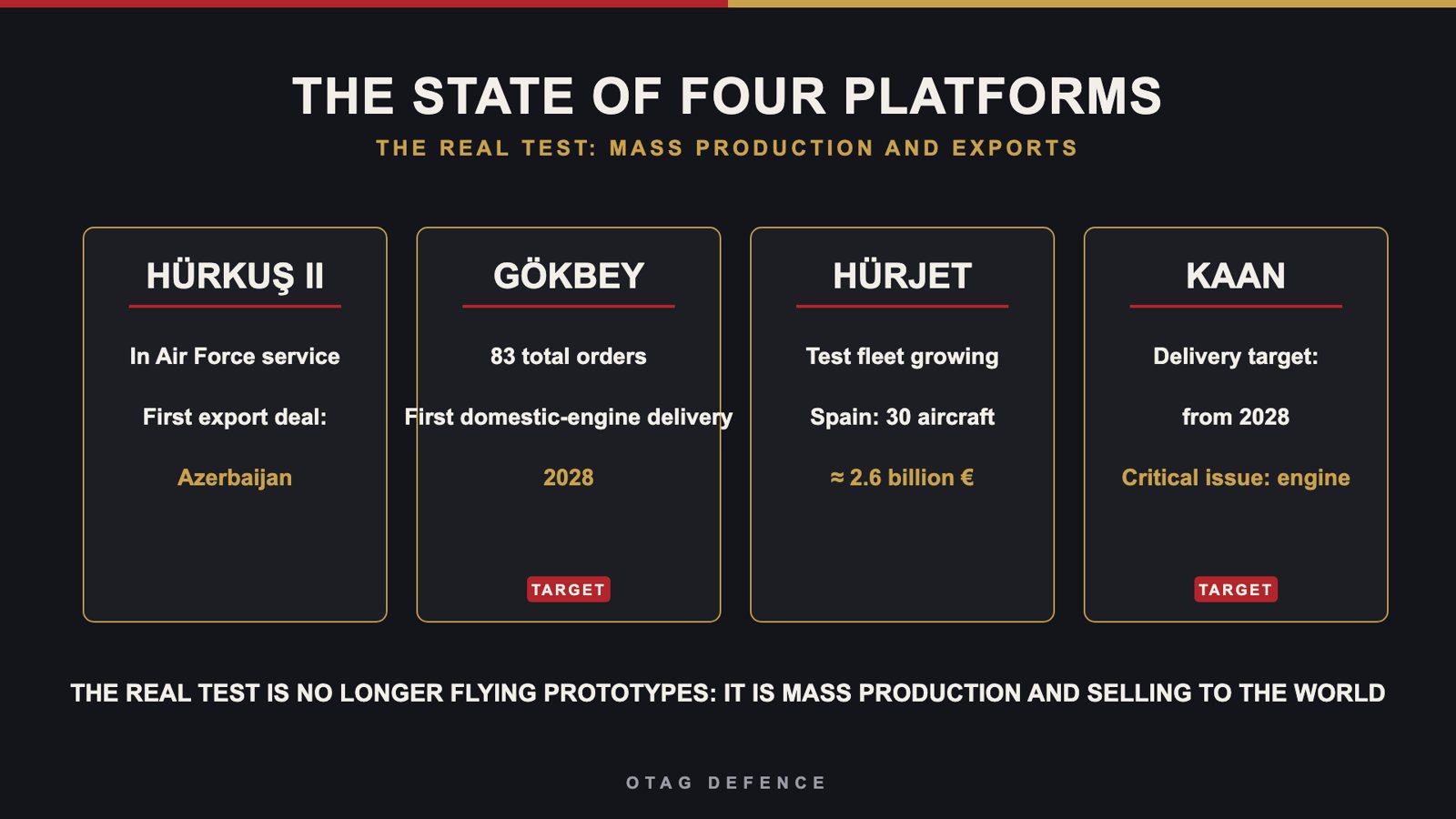
Türkiye is no longer a country that only flies prototypes. HÜRKUŞ II, a turboprop trainer, has entered service with the Turkish Air Force, and the first export deal has been signed with Azerbaijan. The test fleet of HÜRJET, a jet trainer and light combat aircraft, is growing, and a deal worth about 2.6 billion euros has been signed to export it to Spain. For KAAN, Türkiye's fifth-generation fighter, which already has an export deal with Indonesia, deliveries to the Turkish Armed Forces are targeted from 2028.
But a much harder period is now beginning.
The real test ahead of Turkish aviation is no longer flying prototypes, but mass-producing aircraft and selling them to the world.
One of the first concrete signs of this new period was HÜRKUŞ II.
Named after Vecihi Hürkuş, one of the pioneers of Turkish aviation history, the aircraft is Türkiye's first national, original-design trainer, and also one of the starting platforms on the road that leads to HÜRJET and KAAN.
Developed from the experience of HÜRKUŞ 1 and in line with the needs of the Turkish Air Force, HÜRKUŞ II received its Military Type Certificate on 9 September. During certification, 1,790 requirements in 12 different disciplines were verified and 153 certification tests were carried out.
The first HÜRKUŞ II was then delivered to the Turkish Air Force, and the first export deal was signed with Azerbaijan.
But it would not be right to assess HÜRKUŞ on its own. Because behind where things stand today lies a much longer experience.
In crewed aircraft, Türkiye went through the first important experience of this test with the ATAK attack helicopter.
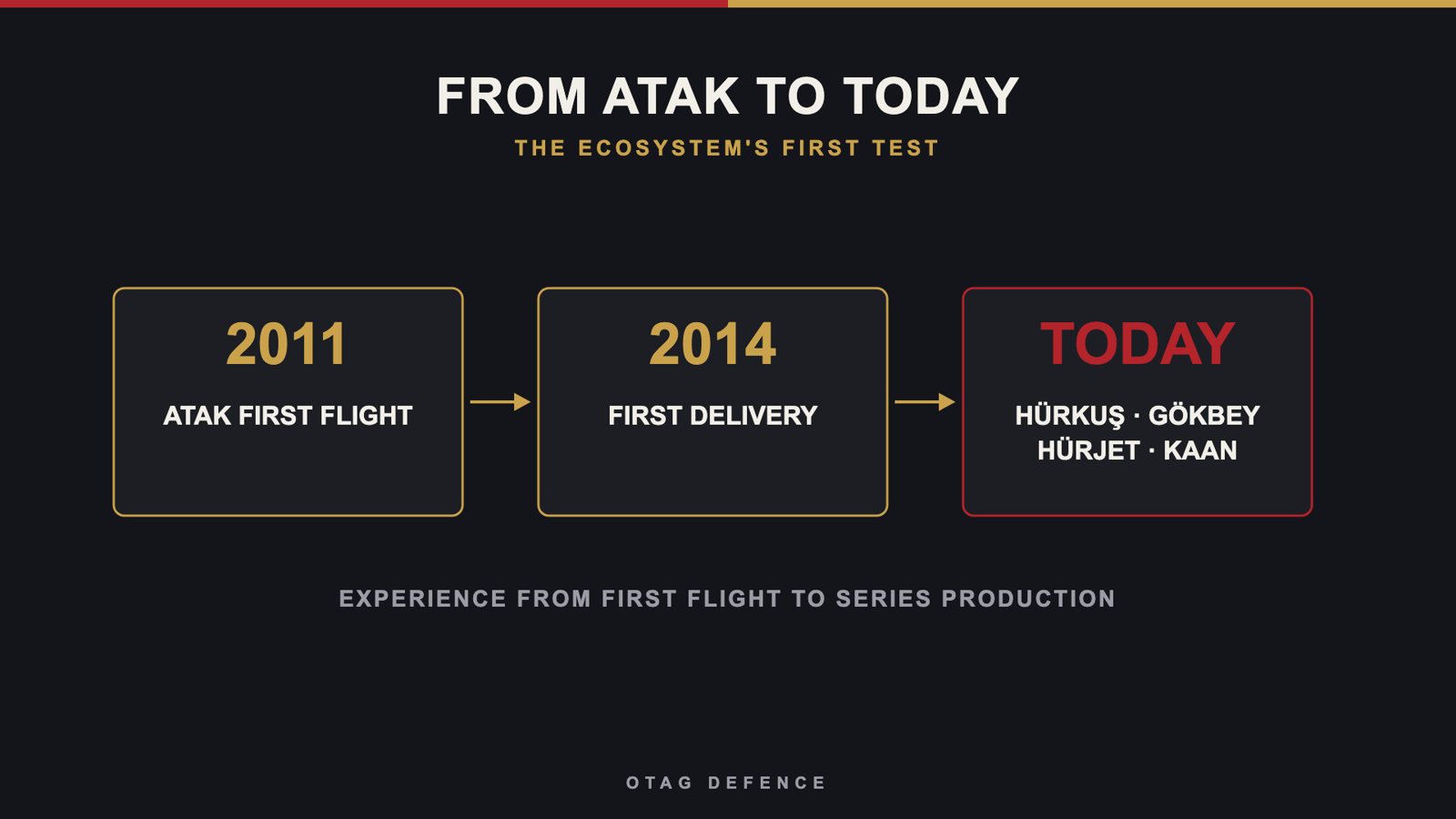
ATAK made its first flight in 2011, and the first delivery came in 2014. But the real gain was not just the helicopter.
Turkish Aerospace (TUSAŞ) gained experience in platform integration, ASELSAN, Türkiye's largest defence electronics company, in avionics and electronic systems, and ROKETSAN, its main missile maker, in munitions such as the CİRİT laser-guided rocket and the UMTAS anti-tank missile. They learned to work together.
That is how one of the key foundations was laid for the much wider aviation ecosystem we see today around GÖKBEY, HÜRKUŞ, HÜRJET and KAAN.
And now this ecosystem faces the test of serial production.
One of the most important examples of this transformation is GÖKBEY.
Türkiye's original-design utility helicopter made its first flight on 6 September 2018. The first helicopter was delivered to the Gendarmerie General Command, Türkiye's rural police force, on 29 October 2024.
There are more than six years between the first flight and the first delivery. That gap shows the difference between flying a prototype and producing a mature aircraft that security forces can use operationally.
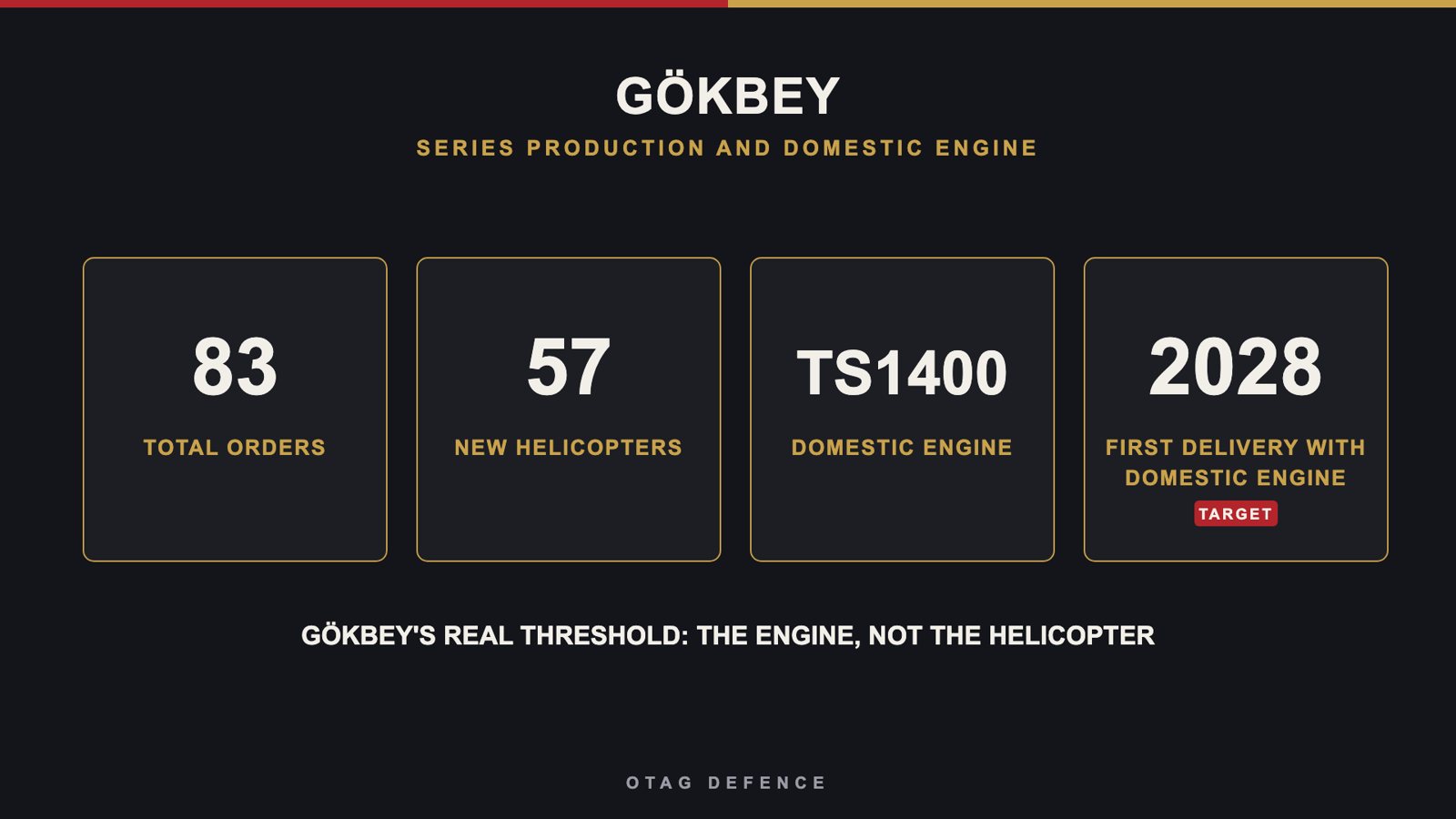
Now 57 more GÖKBEYs will be built. Together with earlier orders, the total rises to 83.
But there is a much more critical detail here.
These 57 helicopters are planned to be delivered with a domestic engine developed by TEI, Türkiye's aircraft engine maker. The target for the first deliveries with a domestic engine is 2028.
So for GÖKBEY, the real threshold is no longer the helicopter but the engine.
For HÜRJET, Türkiye faces a different test: the international market.
HÜRJET made its first flight on 25 April 2023, and its two prototypes have reached about 550 hours of flight testing. Four more prototypes are being prepared, and the test fleet is planned to grow to six aircraft.
The first deliveries to the Turkish Air Force are targeted to begin at the end of 2027.
But seeing HÜRJET only as a trainer to replace the Air Force's T-38s would miss the point.
With radar, national weapons, mission software and different mission systems, the platform will gain much wider capabilities over time.
An important example is the MURAD AESA radar. With the ASELSAN-built MURAD radar on HÜRJET P2, the other HÜRJET was detected and locked onto by radar.
But one of the most striking developments for HÜRJET is Spain.
The 30-aircraft package, worth about 2.6 billion euros, is not just an aircraft sale. Software, simulation, maintenance and training systems are entering the international market in the same package.
This is exactly the model Türkiye is trying to change in its aviation exports.
Because the issue is no longer Turkish Aerospace building aircraft on its own.
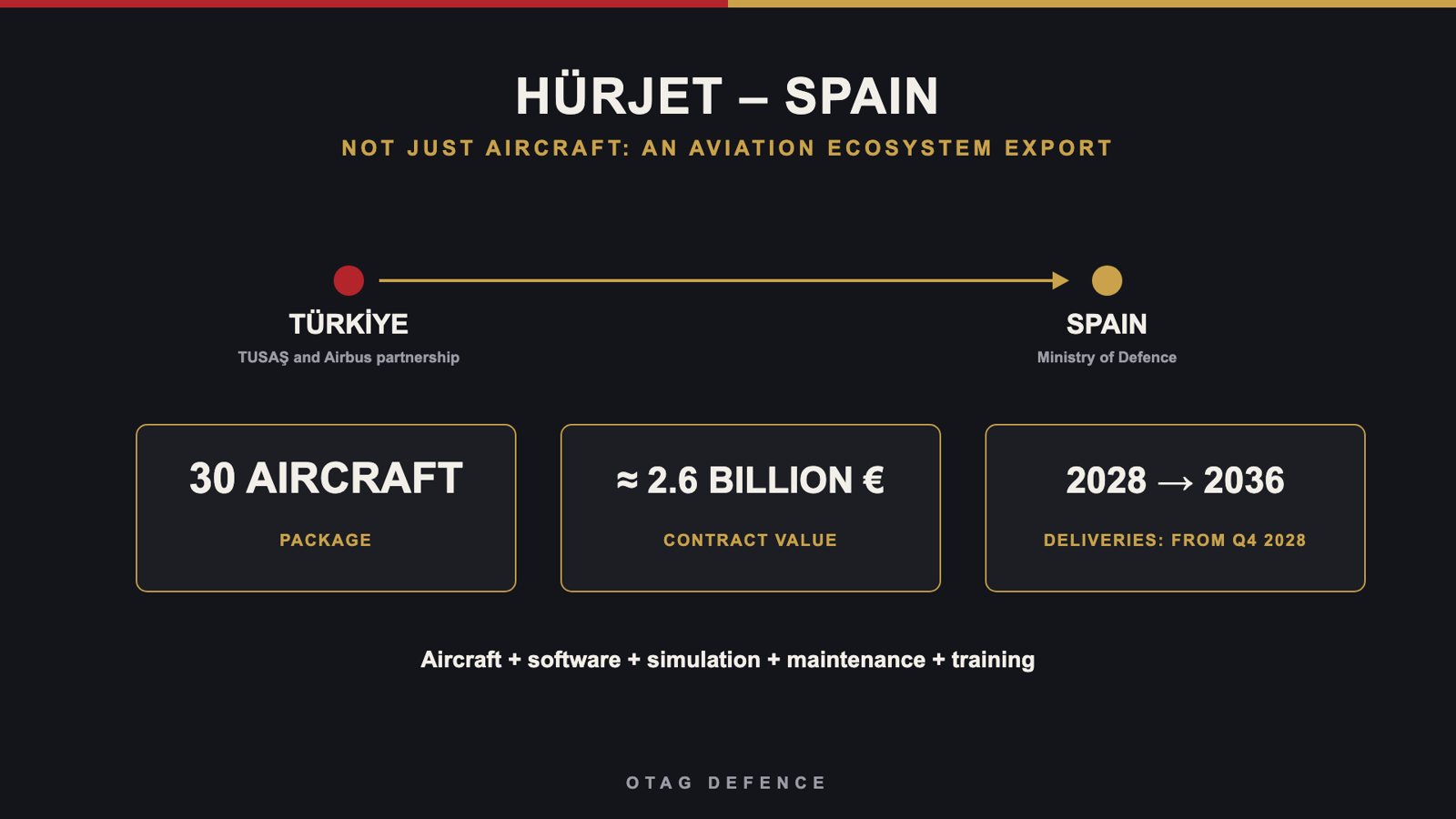
ASELSAN's radar and electronic warfare systems, mission software from HAVELSAN, the Turkish defence software company, munitions from ROKETSAN and TÜBİTAK SAGE, the state defence research institute, and engines from TEI all have to be ready on the same schedule.
A delay in one link can affect the schedule of the whole platform.
And the biggest test for this ecosystem will be KAAN.
KAAN is the most complex aviation project Türkiye has ever undertaken.
The first engineering prototype flew on 21 February 2024. But this first flight, which the public saw, was only the start of a long testing marathon.
The second prototype, which will be used in the main tests, has begun ground taxi tests. The third prototype is on the final assembly line.
The goal is to get both of these aircraft ready to fly in 2026, and in 2027 to move on to an intensive test campaign with three KAANs in armed configuration.
With the procurement contract signed on 6 May 2026, the production target was also set.
The goal is to deliver 20 Block 10 KAANs to the Turkish Air Force from 2028 to the end of 2030.
But the word "target" needs to be underlined here.
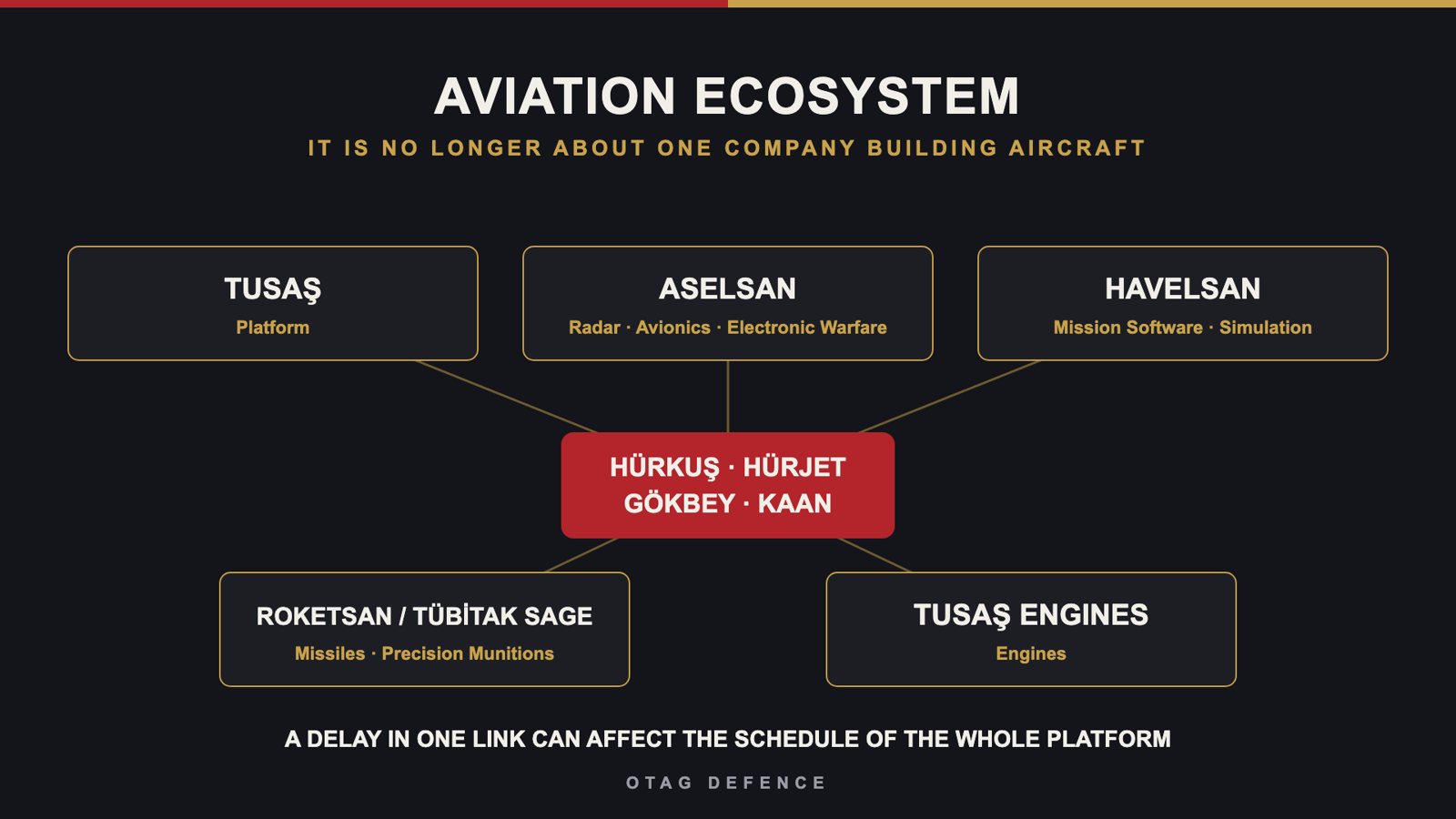
Because in fighter development programs, the schedule depends on hundreds of different systems maturing at the same time, from flight tests to radar integration and from weapons to electronic warfare.
On KAAN, a large part of the radar, electronic warfare, electro-optical and avionics systems is being developed by Turkish companies.
ASELSAN is developing the new-generation TULGAR helmet-mounted display system, while integration of national weapons such as the BOZDOĞAN and GÖKDOĞAN air-to-air missiles, the GÖKHAN ramjet missile and the SOM-J cruise missile continues.
But above all of these is a far more critical issue.
The engine.
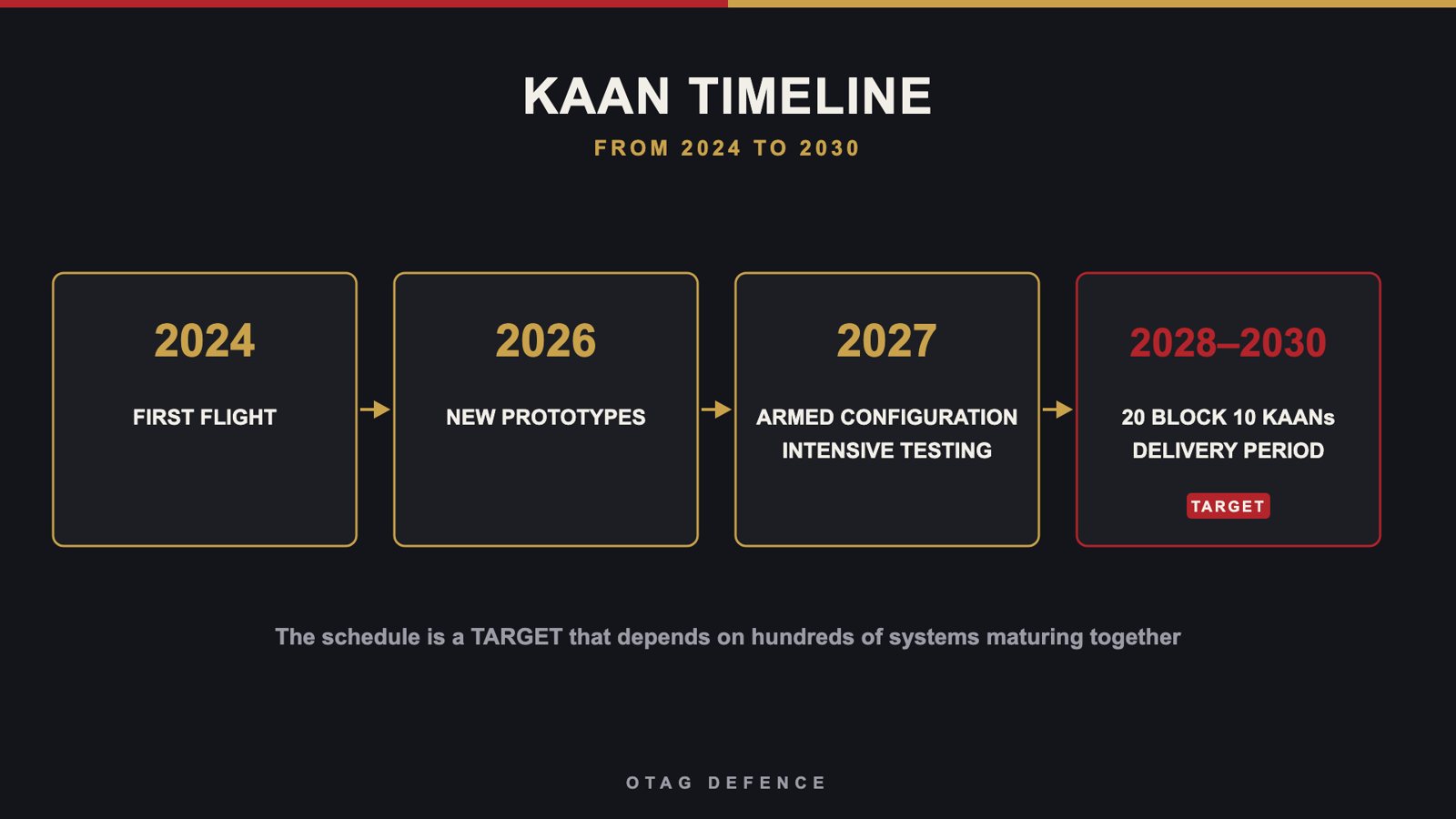
KAAN's first aircraft will use F110 engines made by GE Aerospace of the United States.
For the domestic engine, the TF35000, the current schedule foresees tests beginning around 2032.
So during the first delivery period between 2028 and 2030, the engine will remain one of KAAN's most important points of foreign dependence.
This matters not only technically but also for exports.
You can develop your own radar. You can build your own weapons. You can make your mission computer and electronic warfare system domestic.
But when the platform's engine belongs to another country, foreign dependence has not completely disappeared.
That is why one of the most critical long-term thresholds for the KAAN program will be not just the aircraft flying, but flying with a domestic engine.
When we put all of these projects side by side, it is no longer enough to judge where Türkiye stands in aviation only by how many aircraft it has built.
The real change is in the ecosystem.
In the past, when Türkiye bought a foreign fighter or helicopter, it became tied for many years to the producing country's ecosystem, from radar to weapons and from maintenance to software.
Now Türkiye is trying to turn the same model around.
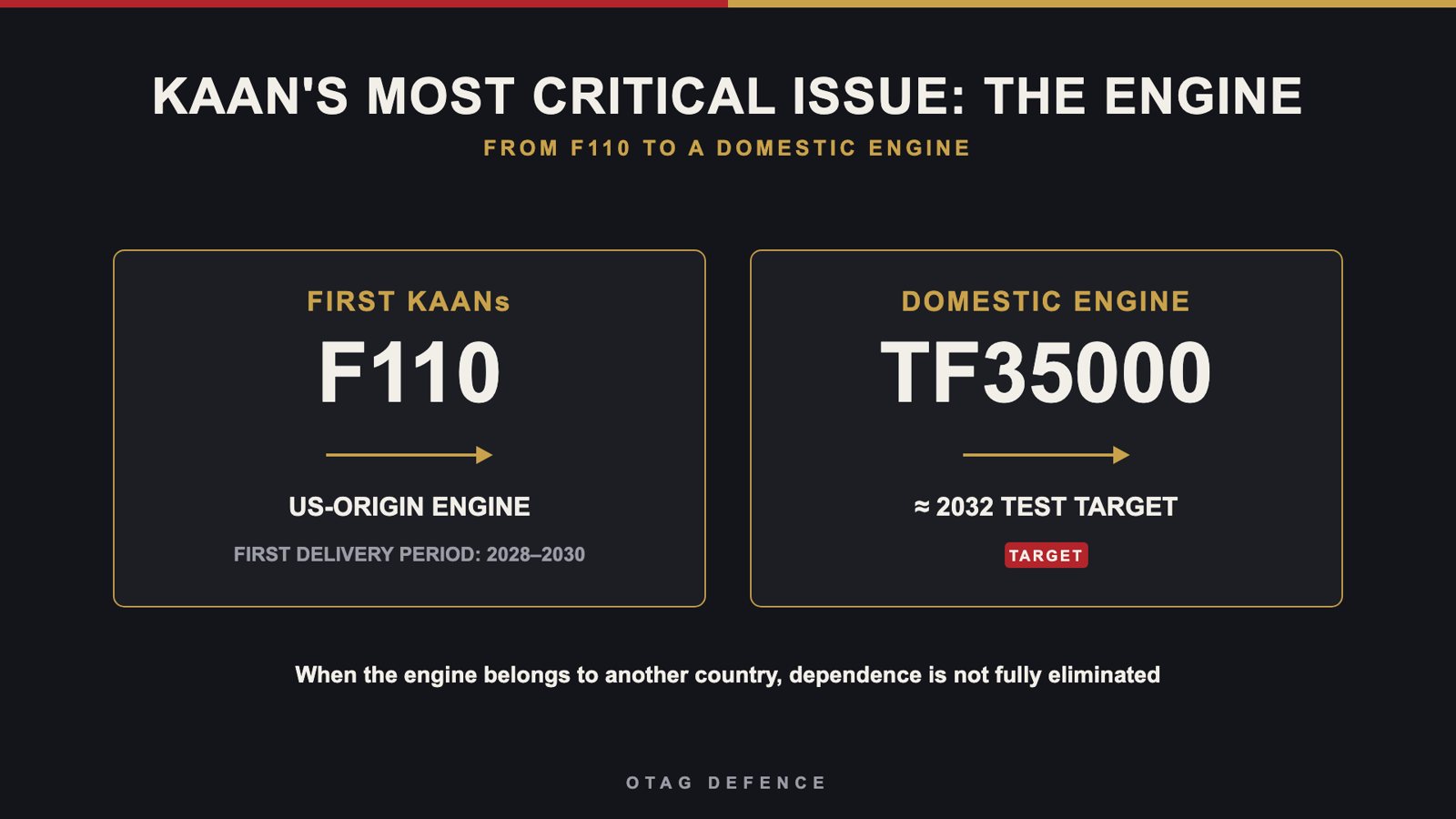
HÜRJET's export to Spain is an important example. The customer is offered not just an aircraft but also software, simulation, training and maintenance infrastructure.
Considering that military aircraft can stay in service for 30 to 40 years, the first aircraft sale is really the start of a technological and commercial relationship that will last for decades.
So the new export model ahead of Türkiye is not just selling aircraft, but selling an aviation ecosystem.
But all these numbers should not mislead us.
Flying a prototype is not the same as producing dozens of aircraft a year to the same quality standard, delivering them on time and supporting them for decades.
From now on, success in Turkish aviation will not be measured only by first-flight dates.
How many aircraft were delivered on time? Did the radar and electronic warfare systems keep up with serial production? Did the export contracts move forward on schedule? And most importantly, how far has engine dependence been reduced?
The next few years will answer these questions.
Can Türkiye turn from a country that develops prototypes into one that builds and exports an aviation ecosystem, with its platforms, radars, weapons, software and, in time, its engines?
Shorts on this topic

Official statements after flying the HÜRKUŞ II and HÜRJET

GÖKBEY: the real threshold is the engine, not the helicopter

HÜRJET: radar lock, 550 test hours and a €2.6B export deal with Spain

KAAN's critical dependency: the engine
Share your view in the comments under the video.
Comment on YouTubeSources
- DHA – HÜRKUŞ-II receives its military type certificate (in Turkish)
- Defense News – Turkey certifies military training aircraft as safe, a first for local authorities
- Hürriyet Daily News – Türkiye seals over $500 million in defense deals with Azerbaijan
- Daily Sabah – First domestically produced attack helicopter delivered to Turkish Army (April 2014)
- NTV – First GÖKBEY delivered (in Turkish)
- Türkiye Today – Türkiye signs contract for 57 GÖKBEY helicopters at IDEF 2025
- Türkiye Today – Test traffic set to rise for Türkiye's KAAN and HÜRJET jets
- TUSAŞ – HÜRJET meets the sky with two prototypes
- Teknoblog – HÜRJET detects and locks on with the MURAD AESA radar
- Hürriyet Daily News – Spain signs €2.6 billion deal for Türkiye's HÜRJET
- TÜBİTAK – National Combat Aircraft KAAN makes its first flight (21 February 2024)
- Breaking Defense – Turkish Air Force contracts its first batch of indigenous KAAN jets (May 2026)
- Anadolu Agency – Contract signed for the sale of 48 KAAN jets to Indonesia (in Turkish)
- Haber Aero – TULGAR helmet for KAAN tested on F-16s (in Turkish)
- Breaking Defense – Turkish Aerospace eyes full development of local KAAN fighter jet engine by 2032
More analysis
 8:32
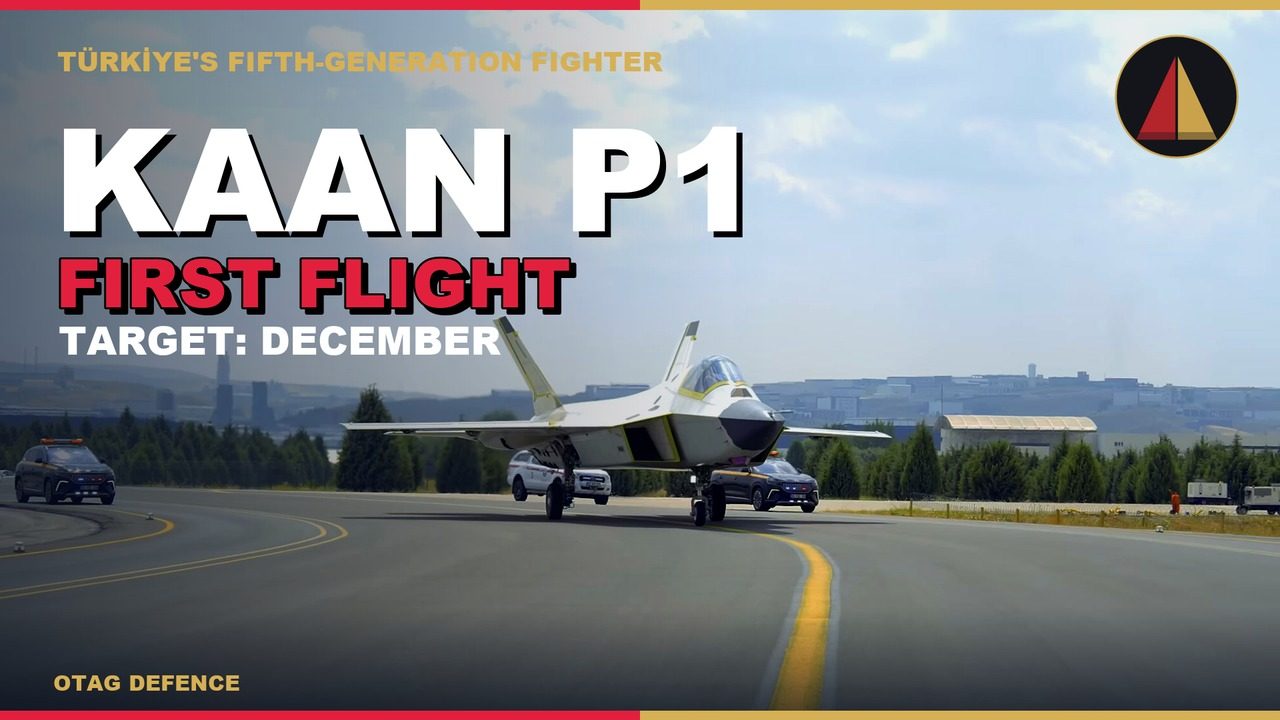
Türkiye's KAAN Stealth Fighter: Second Prototype Targets December First Flight
Otag Defence assessment“For KAAN, the question for 2026 is no longer "will it fly?" It is "how fast will the prototypes multiply?"”
 7:29
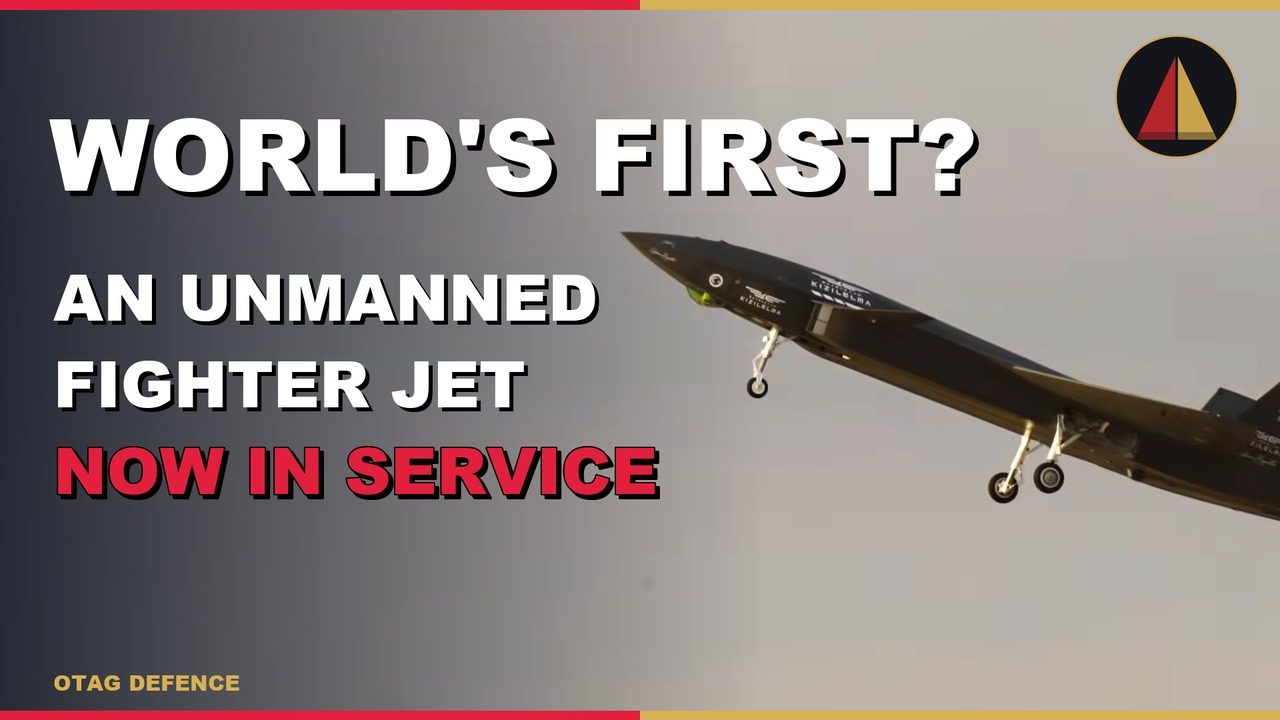
Türkiye's Kizilelma: The World's First Unmanned Fighter Jet in Service?
Is KIZILELMA really the world's first unmanned fighter in service? What does entering service actually mean? And what will Türkiye do with three aircraft?
 7:54
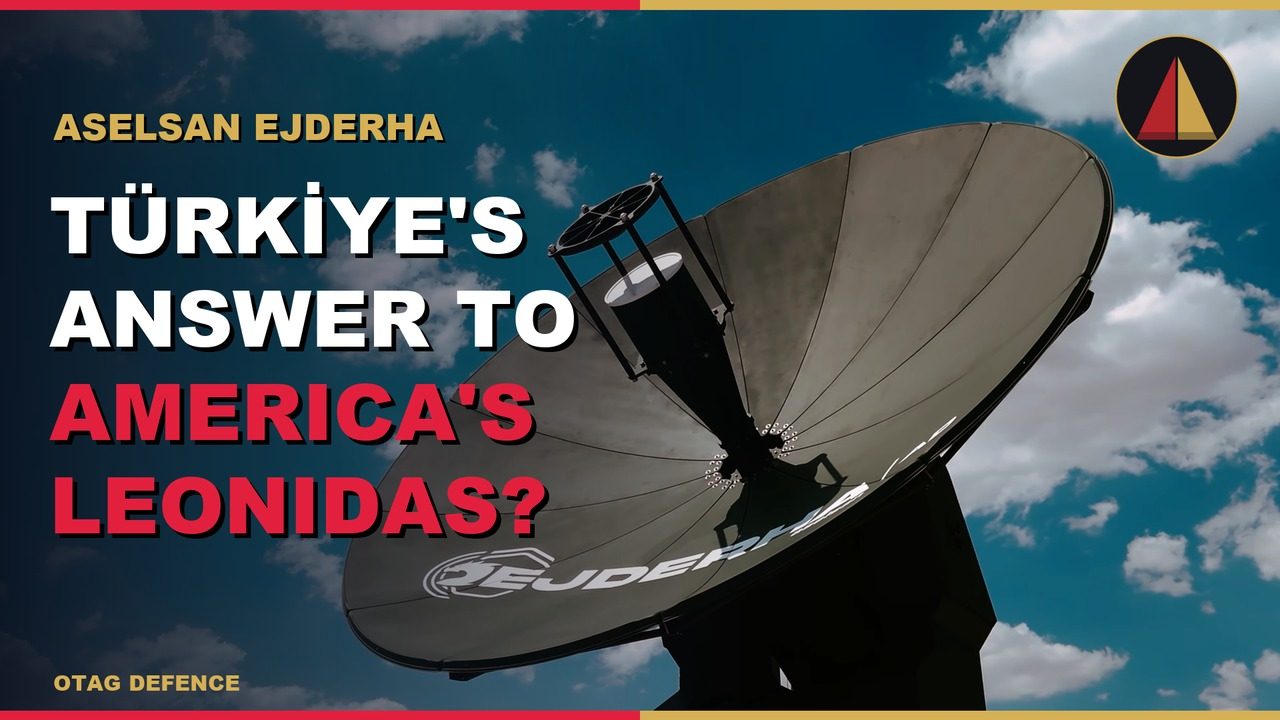
Türkiye's Answer to America's Leonidas? ASELSAN EJDERHA Explained
ASELSAN, Türkiye's largest defence electronics company, marked its 51st anniversary with a two-stage demonstration at its Gölbek Firing and Test Center near Ankara. According to the company's statement on 15 November, in the first stage EJDERHA disabled two different fibre-optic drones from about 1,000 metres. In the second stage, 51 drones launched at the same time were stopped within seconds with a single command. No missiles or bullets were used.